
Exercise Reference
Side Lunge
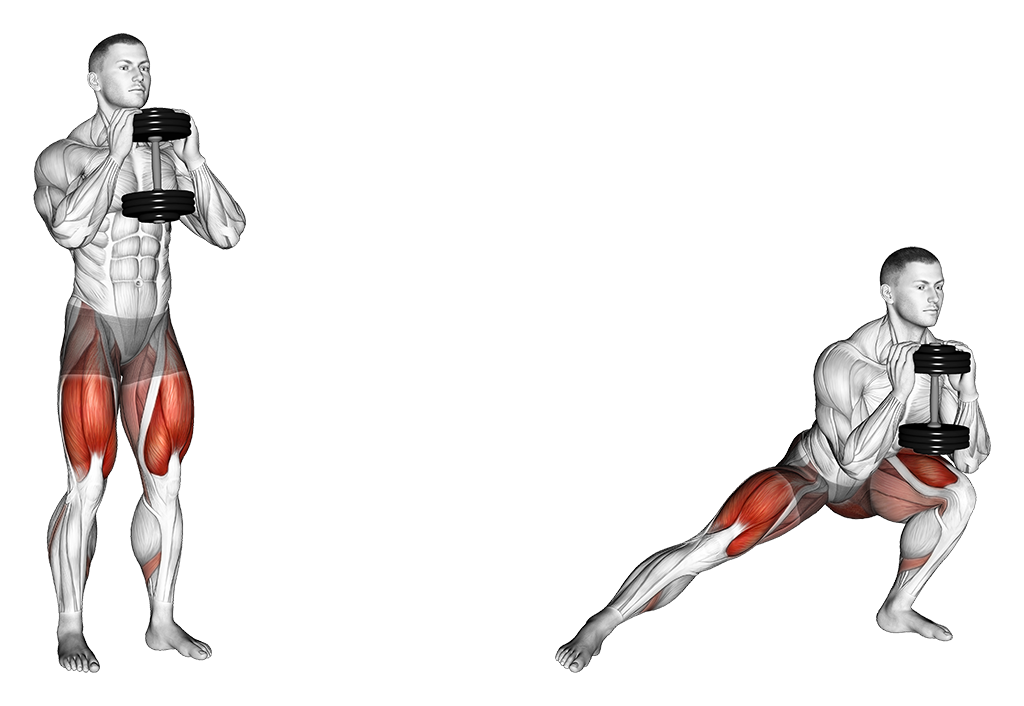
The Side Lunge is a compound lower-body exercise designed to strengthen the muscles responsible for hip and knee extension while also improving lateral movement control, particularly the quadriceps, gluteal muscles, and hip adductors. Performed by stepping laterally and lowering the body through controlled hip and knee flexion, the movement develops lower-body strength, balance, and side-to-side stability. Proper execution emphasizes stable foot positioning, controlled descent, and smooth return to the starting position.
Joint Action and Muscles Involved
The Side Lunge, a lateral movement exercise, revolves around the joint actions of hip abduction and adduction. As you step to the side, the hip abducts, moving the leg away from the midline of the body. Upon returning to the starting position, the hip adducts, bringing the leg back toward the midline.
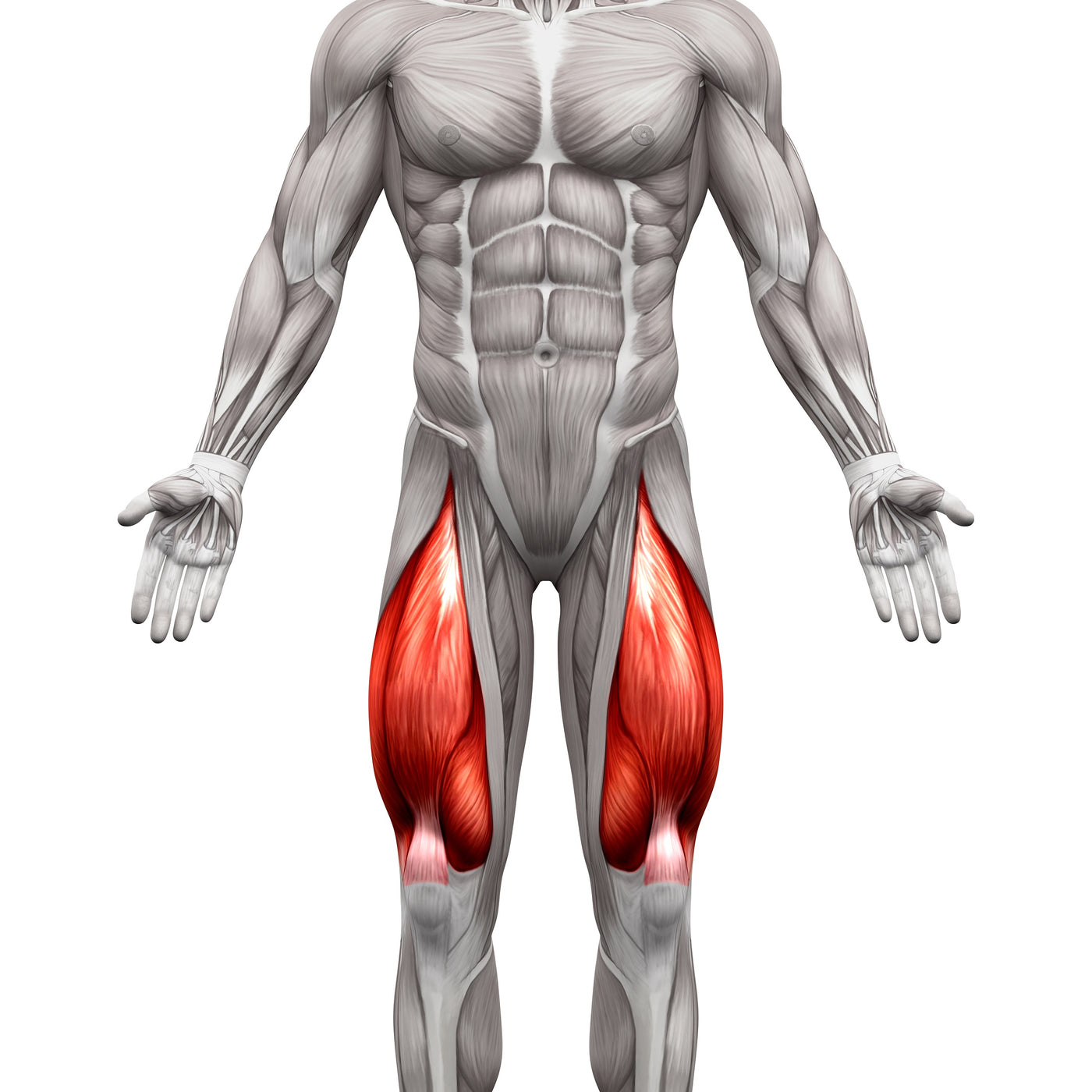
Engaging in Side Lunges activates several key muscle groups. The quadriceps work dynamically to extend the knee during the lateral movement. Simultaneously, the adductors, situated on the inner thigh, and the abductors, located on the outer hip, contribute significantly to the side-to-side motion. The gluteus medius and gluteus minimus, responsible for hip abduction and stabilization, play a vital role in maintaining balance throughout the exercise.
Moreover, the hamstrings, located at the back of the thigh, engage to stabilize the knee joint during the Side Lunge. The emphasis on lateral movement also challenges the muscles of the core, including the obliques, as they work to stabilize the torso during the side-stepping action. In essence, the Side Lunge provides a holistic lower-body workout, targeting various muscle groups to enhance strength, flexibility, and balan
Video Demonstration
This video demonstrates the proper execution of the side lunge, showing controlled lateral movement, stable foot positioning, and coordinated hip and knee mechanics throughout the exercise.
Exercise Tips
Step Wide and Controlled
Take a comfortable lateral step that allows stable foot contact and balanced lowering.
Keep the Moving Leg Stable
Maintain the knee aligned over the foot during the lowering phase.
Keep the Opposite Leg Extended
Allow the non-working leg to remain extended but stable.
Push Through the Heel
Drive through the planted heel to return to the starting position.
Safety Considerations
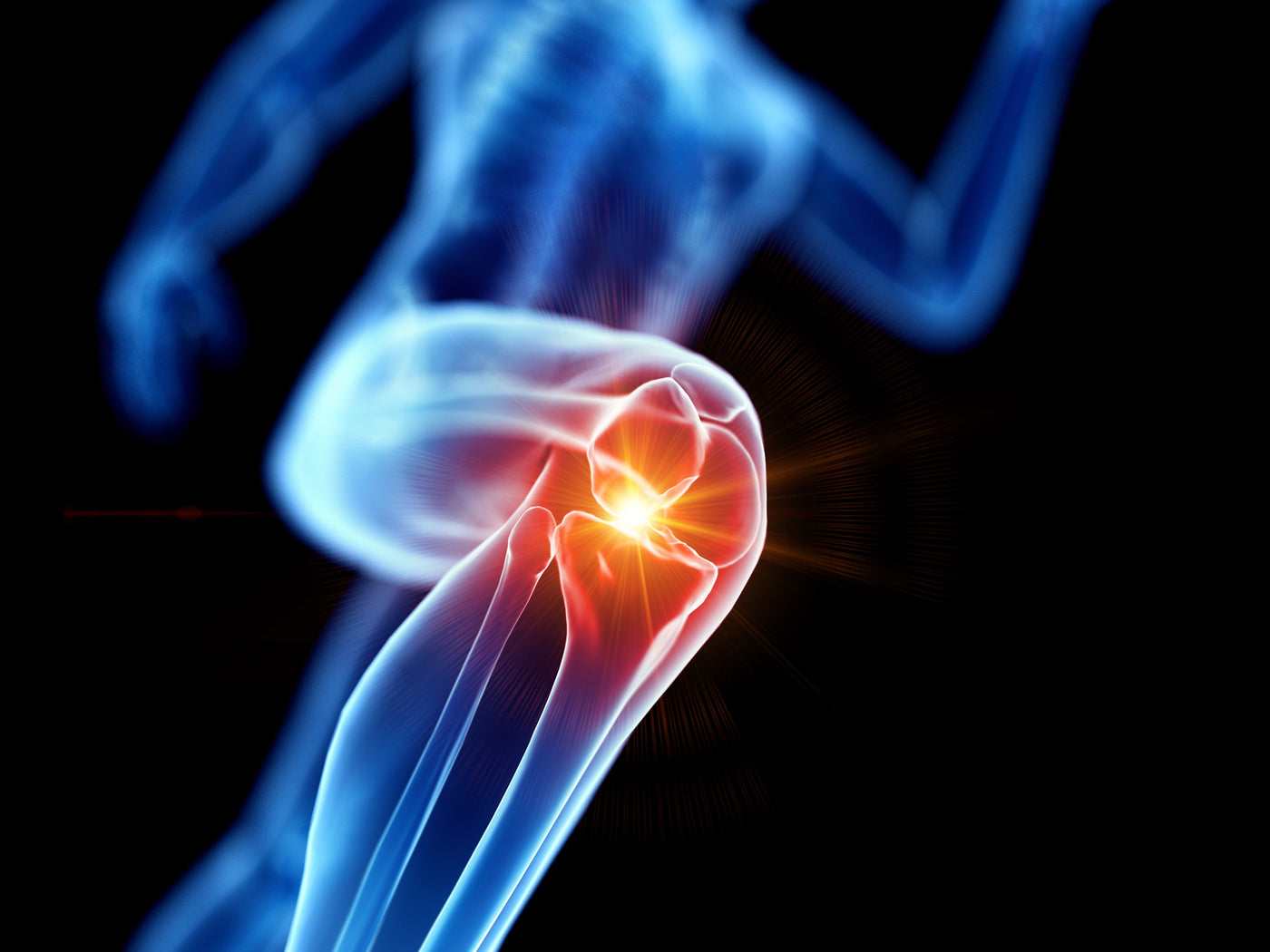
Maintain stable foot positioning and avoid allowing the working knee to collapse inward during the movement. Keep the torso upright and lower only as far as proper hip and knee alignment can be maintained. Stop if discomfort occurs in the knees, hips, or groin area.

Continue Your Exercise Education
Mastering exercise technique requires a deeper understanding of biomechanics, injury prevention, and precise movement cues.
The KinX Learning Ultimate Guide series provides structured analysis of 75 popular weight training exercises, helping you train with greater confidence, efficiency, and safety.
Explore the complete system:
Exercise Anatomy and Biomechanics: Ultimate Guide
Exercise Safety and Injury Prevention: Ultimate Guide
Exercise Cues: Precision Coaching for 75 Essential Exercises
Or get all three guides together with the Ultimate Guides Bundle.