
Exercise Reference
Chinup
The Chin up is a compound upper-body exercise designed to strengthen the muscles of the back and arms through coordinated shoulder adduction and elbow flexion. Performed by lifting the body upward while hanging from an overhead bar with an underhand grip, the movement emphasizes greater involvement of the biceps along with the upper back muscles. Proper execution emphasizes controlled movement of the shoulder blades, coordinated elbow motion, and stable positioning of the torso throughout the exercise.
Below is a quick reference overview of the major muscles and joint actions involved in the Chin up, followed by practical guidance for performing the exercise safely and effectively.
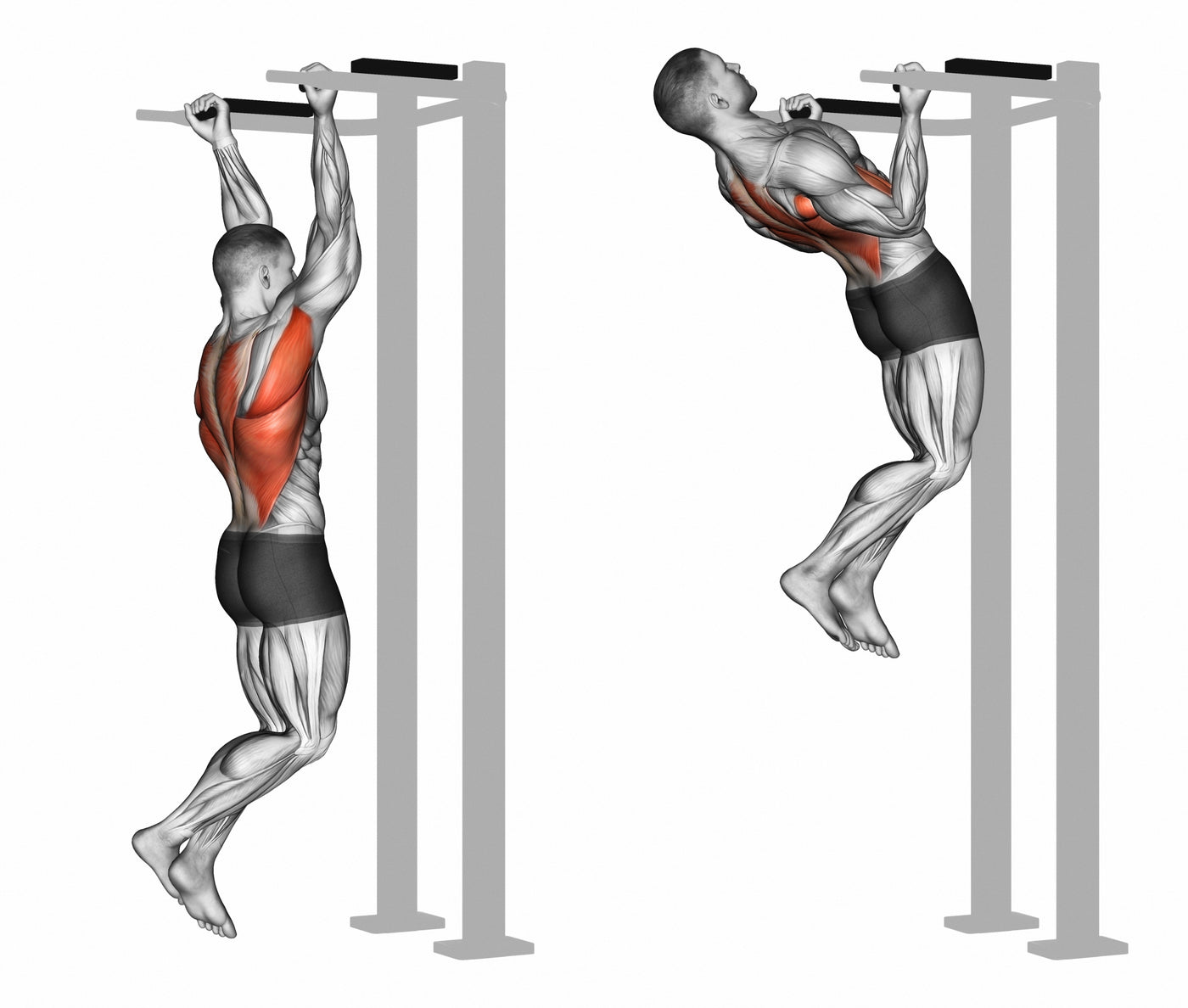
Joint Action and Muscles Involved
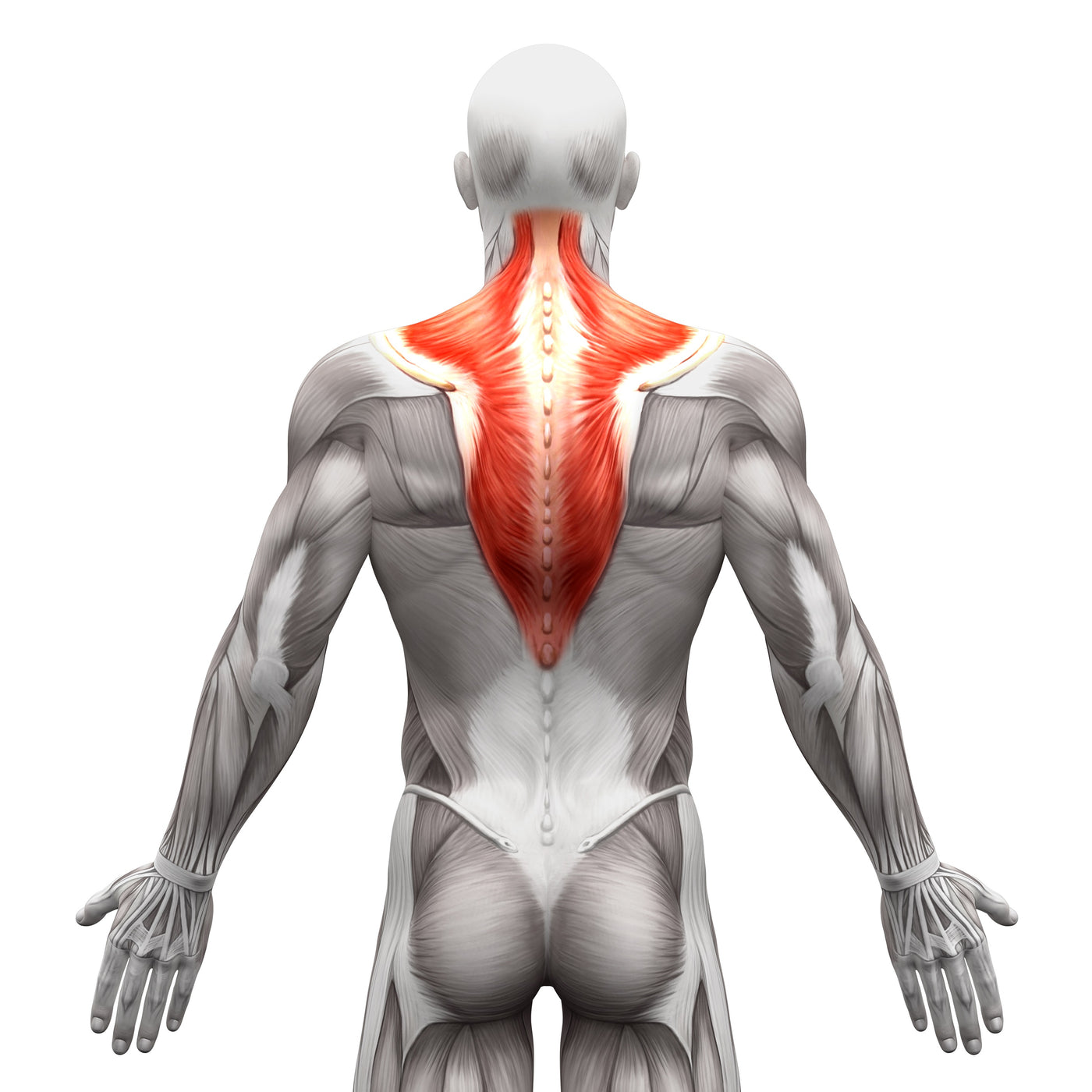
During a Chin-up, the primary joint action is elbow flexion, as you bend your arms to lift your body toward the bar. This movement engages several key muscles, including the latissimus dorsi, rhomboids, and trapezius in the back. Additionally, the biceps brachii and brachialis in the upper arm play a significant role in executing the lift. As you pull yourself up, these muscles work in concert to promote strength and definition in the upper body.
Exercise Execution
Starting Position
Grip an overhead pull-up bar with both hands slightly narrower than shoulder width apart using an underhand grip. Hang with the arms fully extended while keeping the shoulders engaged and the torso stable. Allow the legs to hang straight beneath the body.
Movement
Pull the body upward by drawing the elbows down and back while bringing the shoulder blades together. Continue pulling until the chin reaches or slightly clears the bar, maintaining controlled movement and avoiding excessive swinging.
Ending Position
Pause briefly at the top, then lower the body under control by extending the arms until returning to the starting position. Maintain a steady torso and full range of motion before beginning the next repetition.
Video Demonstration
This video demonstrates the proper execution of the chin up, showing controlled pulling mechanics, coordinated elbow movement, and stable torso positioning throughout the exercise.
Safety Considerations
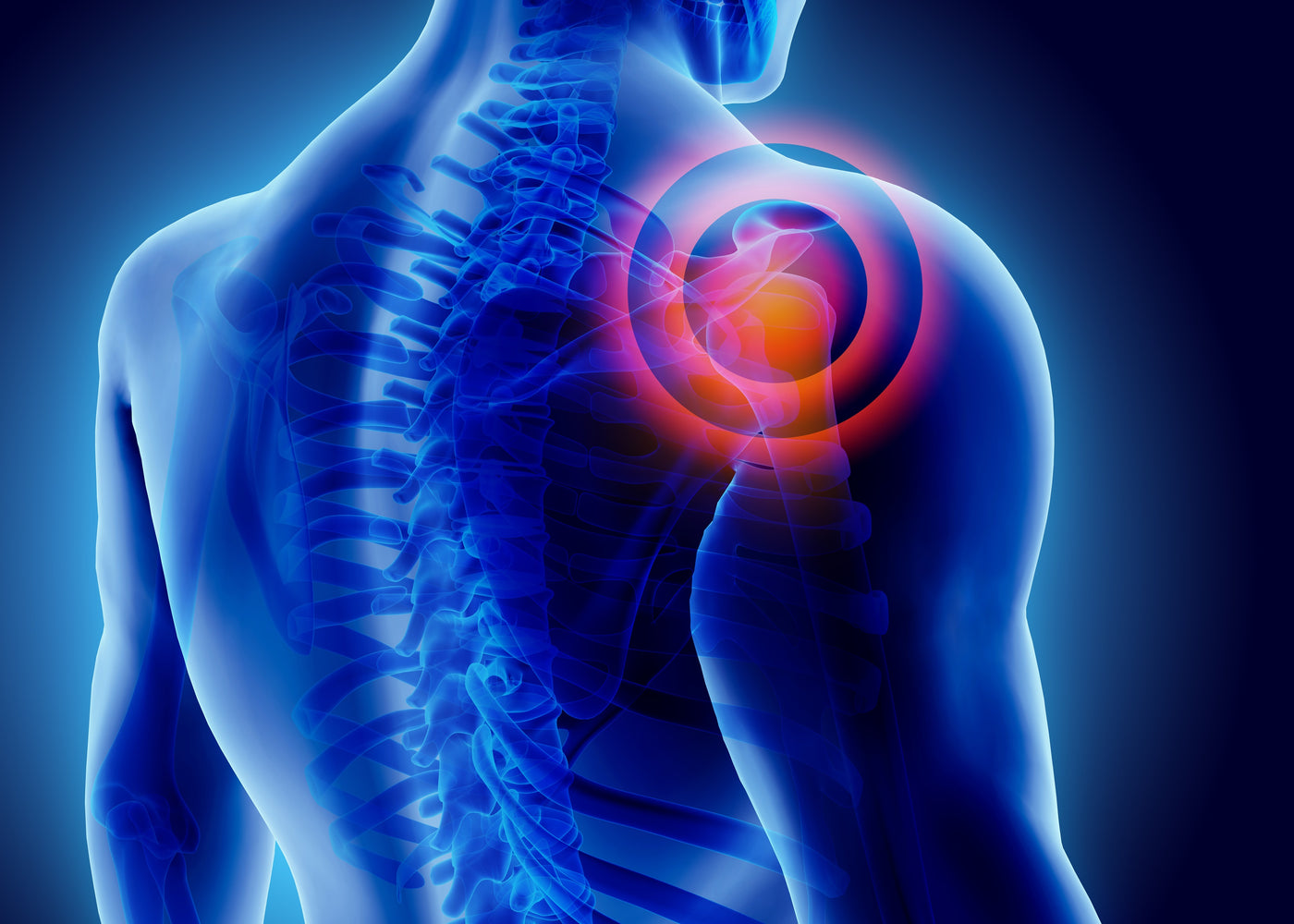
Maintain control of the body throughout the movement and avoid excessive swinging, as momentum can place unnecessary stress on the shoulders and elbows. Keep the shoulders engaged while hanging to reduce strain on the shoulder joints, and avoid pulling with a jerking motion. Use a controlled range of motion and only pull as high as can be maintained with proper form. If discomfort occurs in the shoulders, elbows, or wrists, stop the exercise and reassess technique before continuing.
Exercise Tips
Lead with the Elbows
Pull the elbows downward and slightly back to emphasize engagement of the back muscles rather than relying primarily on the arms.
Control the Movement
Raise the body smoothly and lower it under control to maintain tension on the back muscles and avoid swinging.
Engage the Core
Tighten the abdominal muscles to stabilize the torso and prevent excessive movement during the exercise.
Use a Full Range of Motion
Allow the arms to fully extend at the bottom and pull to a controlled top position to maximize muscle engagement.
Chinups vs Pullups
The Chin up and Pull-Up both strengthen the muscles of the upper back and arms, but they differ in grip position and muscle emphasis. The Chin up uses an underhand grip, which increases the involvement of the biceps and can make the movement feel easier for some individuals. In contrast, the Pull-Up uses an overhand grip, placing greater emphasis on the upper back muscles and often requiring more upper-body strength. Both exercises are effective for developing upper-body strength. Chin-ups emphasize arm involvement, while pull-ups emphasize back development and overall pulling strength.
Related Exercises

Continue Your Exercise Education
Mastering exercise technique requires a deeper understanding of biomechanics, injury prevention, and precise movement cues.
The KinX Learning Ultimate Guide series provides structured analysis of 75 popular weight training exercises, helping you train with greater confidence, efficiency, and safety.
Explore the complete system:
Exercise Anatomy and Biomechanics: Ultimate Guide
Exercise Safety and Injury Prevention: Ultimate Guide
Exercise Cues: Precision Coaching for 75 Essential Exercises
Or get all three guides together with the Ultimate Guides Bundle.