
Exercise Reference
Biceps Curl With a Barbell
The Biceps Curl with a Barbell is an isolation exercise designed to strengthen the muscles responsible for elbow flexion, particularly the biceps brachii. Performed by curling a barbell upward while maintaining stable upper-arm positioning, the movement allows focused loading of the elbow flexors with minimal involvement from other muscle groups. Proper execution emphasizes controlled elbow movement, stable torso positioning, and consistent tension on the arm muscles throughout the exercise.
Below is a quick reference overview of the major muscles and joint actions involved in the Biceps Curl with a Barbell, followed by practical guidance for performing the exercise safely and effectively.
Major Muscles and Actions Involved
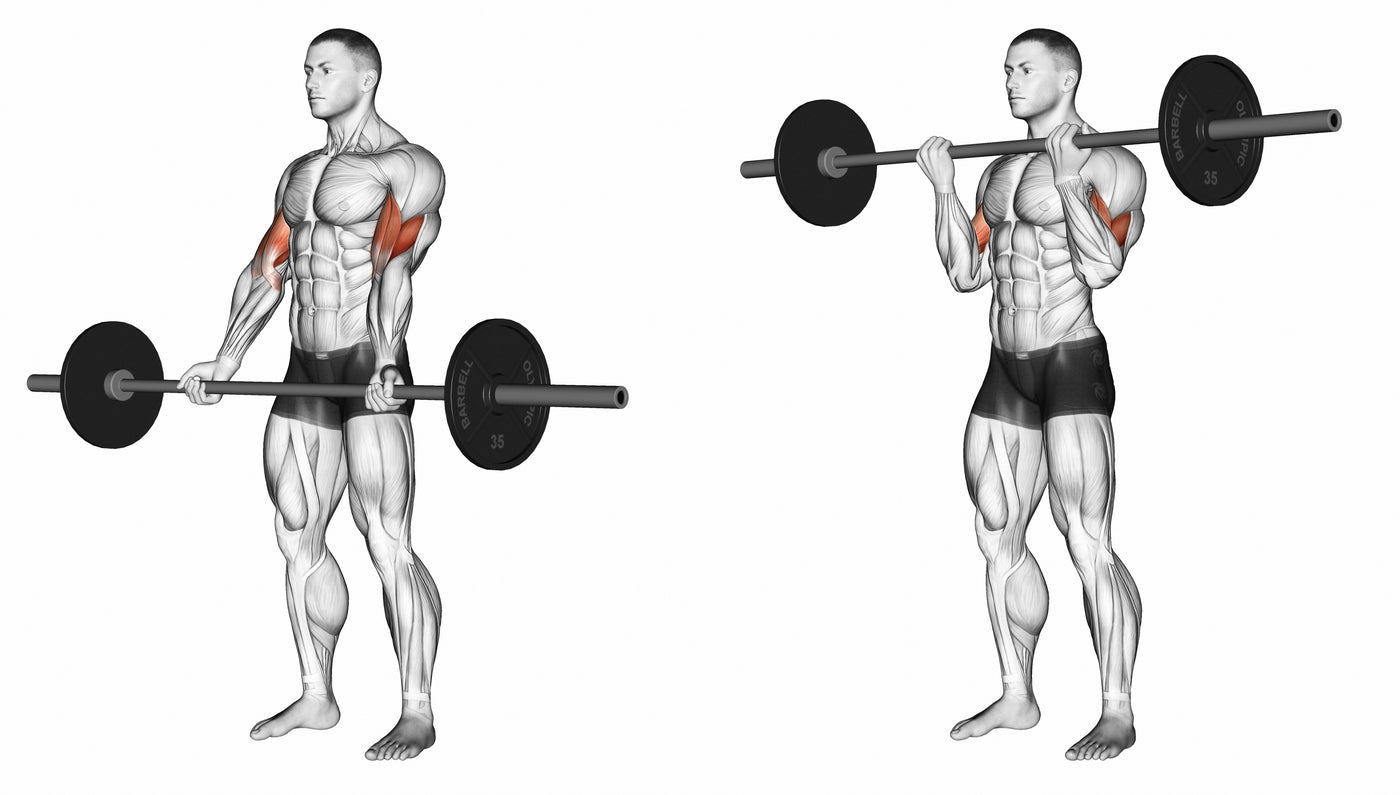
The Biceps Curl with a Barbell primarily involves elbow flexion, where the forearm moves towards the upper arm. This action targets the biceps brachii, the muscle responsible for the flexion of the elbow joint. Additionally, the brachialis and brachioradialis, which assist in elbow flexion, are also engaged during this exercise. The Barbell Biceps Curl is a straightforward yet effective way to isolate and strengthen the muscles of the upper arm.
Subheading
Exercise Execution
Starting Position
Stand upright with the feet about shoulder-width apart and hold a barbell with both hands using an underhand grip. Let the arms hang straight down in front of the thighs while keeping the elbows close to the sides of the torso and the chest lifted.
Movement
Raise the barbell by flexing the elbows while keeping the upper arms relatively stationary. Continue curling the bar upward until the forearms approach the upper arms, maintaining controlled movement throughout.
Ending Position
Pause briefly at the top, then lower the barbell under control until the arms return to the starting position. Maintain stable posture and avoid swinging before beginning the next repetition.
Video Demonstration
This video demonstrates the proper execution of the biceps curl with a barbell, showing controlled elbow flexion, stable upper-arm positioning, and consistent movement throughout the exercise.
Exercise Tips
Keep the Elbows Stable
Maintain the elbows close to the sides of the torso to keep the movement focused on elbow flexion.
Control the Barbell
Raise and lower the bar under control to maintain tension on the biceps muscles.
Avoid Using Momentum
Keep the torso steady so the arm muscles perform the work throughout the exercise.
Use a Full Range of Motion
Lower the bar fully and curl to a controlled top position to maximize muscle engagement.
Safety Considerations
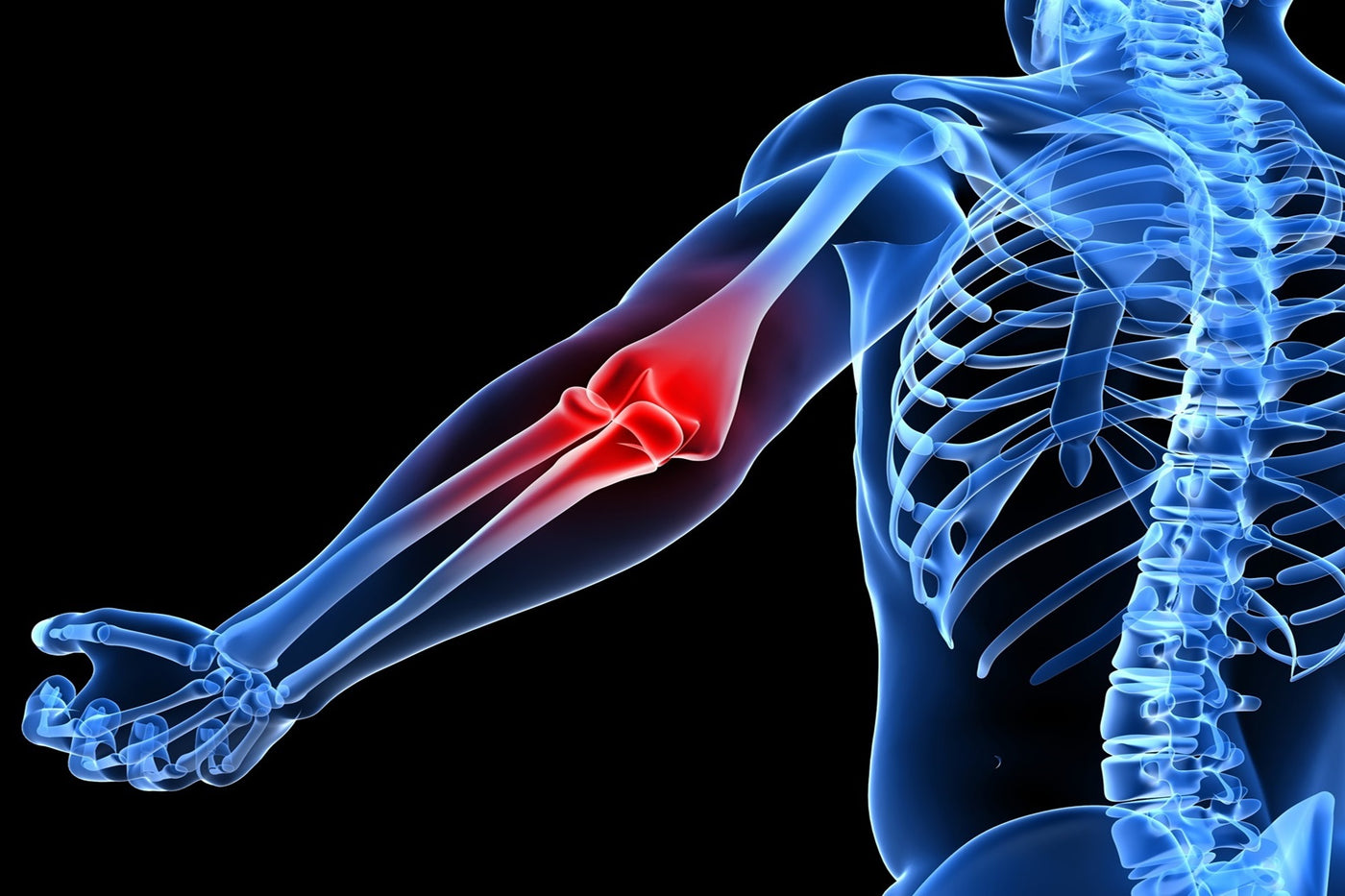
Keep the torso upright and avoid swinging the body or using momentum to lift the bar, as this can reduce muscle control and place unnecessary stress on the lower back and elbows. Maintain the elbows close to the sides and avoid allowing them to drift excessively forward during the curl. Use a resistance level that allows full control of the movement, and stop if discomfort occurs in the elbows, wrists, or shoulders.
Subheading
Biceps Curl with a Barbell vs Biceps Curl on a Machine
The Biceps Curl with a Barbell and Biceps Curl on a Machine both strengthen the elbow flexor muscles, but they differ in how the movement is stabilized and how resistance is applied.
The Biceps Curl with a Barbell is a free-weight exercise that requires the lifter to control the bar path and maintain stable upper-arm positioning throughout the movement.
In contrast, the Biceps Curl on a Machine uses a guided path that reduces stabilization demands and allows the lifter to focus more directly on elbow flexion against resistance.
Both exercises are effective for developing the biceps. The barbell curl emphasizes free-weight control, while the machine curl provides a more guided resistance pattern.

RElated Exercises
Anatomical, Biomechanical and Practical Exercise Education
The Exercise Classroom
Watch this exercise on the Exercise Classroom YouTube channel.

Continue Your Exercise Education
Mastering exercise technique requires a deeper understanding of biomechanics, injury prevention, and precise movement cues.
The KinX Learning Ultimate Guide series provides structured analysis of 75 popular weight training exercises, helping you train with greater confidence, efficiency, and safety.
Explore the complete system:
Exercise Anatomy and Biomechanics: Ultimate Guide
Exercise Safety and Injury Prevention: Ultimate Guide
Exercise Cues: Precision Coaching for 75 Essential Exercises
Or get all three guides together with the Ultimate Guides Bundle.