
Exercise Reference
Back Raise
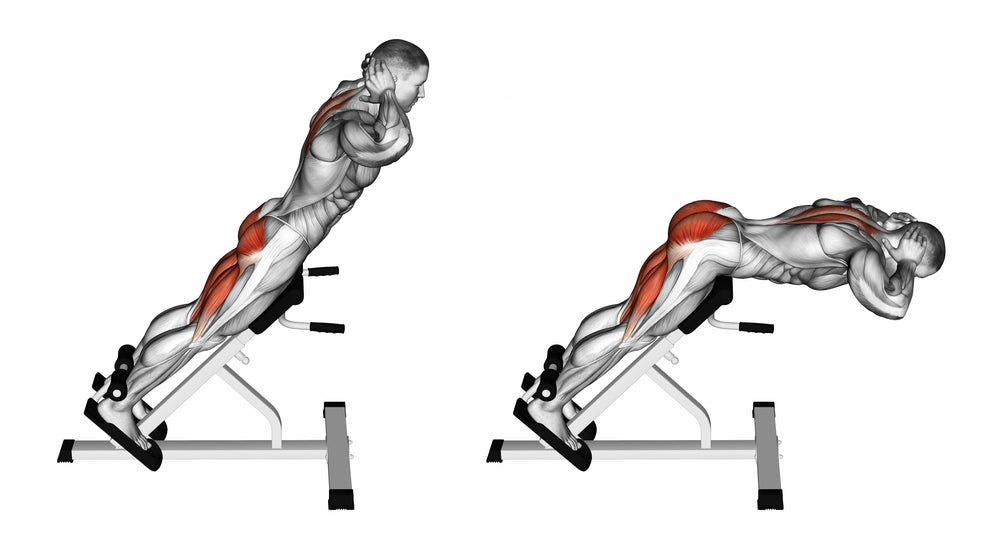
The Back Raise is an isolation posterior-chain exercise designed to strengthen the muscles responsible for trunk extension and hip stabilization, particularly the erector spinae, gluteal muscles, and hamstrings. Performed by raising the torso from a forward-flexed position while maintaining stable hip support, the movement helps improve lower-back strength, posture, and posterior-chain control. Proper execution emphasizes controlled trunk extension and smooth lowering throughout the exercise.
Joint Action and Muscles Involved
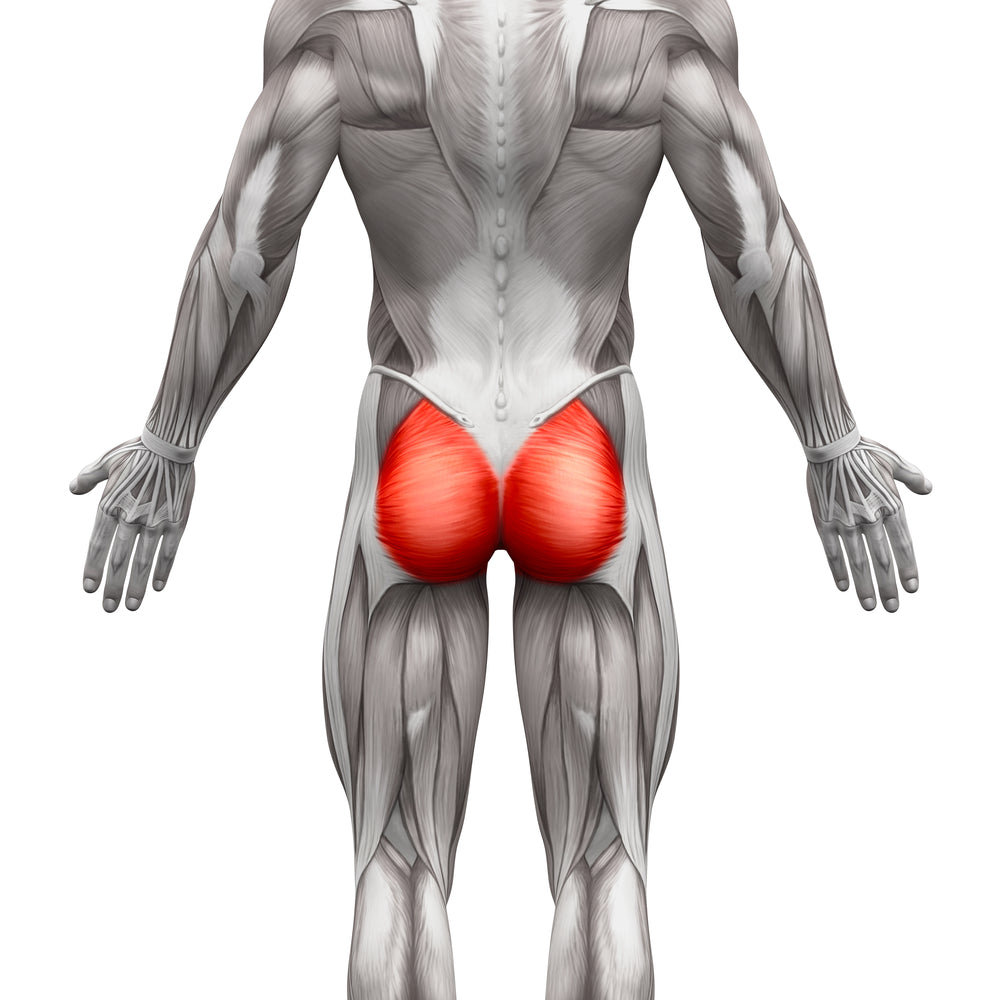
During the Back Raise exercise, the primary joint action is hip extension, where the hip joint moves from a flexed to an extended position. This movement engages the muscles of the lower back, particularly the erector spinae, as well as the glutes (gluteus maximus) and hamstrings. The controlled lifting and lowering of the torso activate these muscles, contributing to improved lower back strength and stability.
Video Demonstration
This video demonstrates the proper execution of the back raise, showing controlled trunk extension, stable hip positioning, and smooth movement throughout the exercise.
Exercise Tips
Lead with the Torso
Focus on lifting the upper body through controlled spinal and hip extension.
Keep the Hips Stable
Maintain stable hip contact with the pad or support throughout the movement.
Control the Descent
Lower the torso smoothly to maintain tension on the posterior-chain muscles.

Safety Considerations
Maintain a neutral spine throughout the movement and avoid excessive hyperextension at the top position. Use a controlled range of motion and stop if discomfort occurs in the lower back, hips, or hamstrings.
Related Exercises
Continue Your Exercise Education
Mastering exercise technique requires a deeper understanding of biomechanics, injury prevention, and precise movement cues.
The KinX Learning Ultimate Guide series provides structured analysis of 75 popular weight training exercises, helping you train with greater confidence, efficiency, and safety.
Exercise Anatomy and Biomechanics: Ultimate Guide
Exercise Safety and Injury Prevention: Ultimate Guide
Exercise Cues: Precision Coaching for 75 Essential Exercises
Or get all three guides together with the Ultimate Guides Bundle.