Mastering the Dumbbell Fly: Anatomy, Biomechanics, and Proper Technique
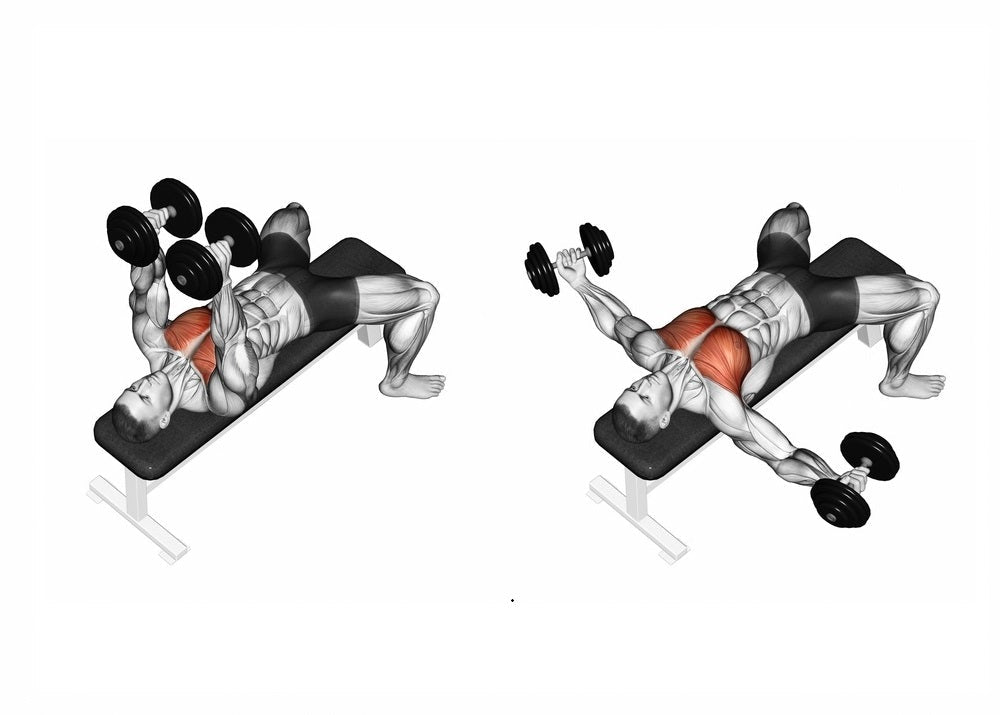
The dumbbell fly is a classic isolation exercise designed to develop the chest by emphasizing shoulder horizontal adduction. Unlike pressing movements, the dumbbell fly minimizes elbow extension and places greater emphasis on the pectoralis major throughout the range of motion. When performed with proper technique, it can improve chest development, increase shoulder control, and enhance upper-body strength.
Why the Dumbbell Fly Matters
The dumbbell fly is an excellent accessory exercise for anyone looking to improve chest muscle development and movement quality. Because the exercise requires controlled movement through a large arc, it also challenges shoulder stability and coordination. Whether your goal is muscle hypertrophy, balanced upper-body development, or a better understanding of exercise biomechanics, the dumbbell fly is a valuable addition to a resistance training program.
Primary Muscles Worked
The primary muscle responsible for producing the dumbbell fly is the pectoralis major. The anterior deltoid and coracobrachialis assist the movement, while the muscles of the rotator cuff and scapular stabilizers help maintain shoulder stability throughout the exercise.
Primary Joint Action
The primary joint action of the dumbbell fly is shoulder horizontal adduction, bringing the arms together across the front of the body while maintaining a slightly flexed elbow position.
Proper Technique
Begin by lying on a flat bench with a dumbbell in each hand directly above your chest. Maintain a slight bend in your elbows throughout the exercise. Slowly lower the dumbbells in a wide arc until you feel a comfortable stretch across the chest while keeping your shoulders stable and your elbows fixed. Reverse the movement by bringing the dumbbells together in the same arc until they meet above your chest. Perform the exercise with slow, controlled movement while maintaining a neutral spine and stable shoulder position.
Biomechanical Considerations
The dumbbell fly creates a long resistance moment arm throughout much of the movement, making relatively light weights highly effective. The greatest mechanical demand occurs near the bottom of the movement, where the pectoralis major is placed under the greatest stretch. Maintaining a consistent elbow angle reduces unnecessary stress on the elbow joint and keeps tension on the chest muscles. Controlled movement is more important than using heavy loads.
Common Mistakes
Several common mistakes can reduce the effectiveness of the dumbbell fly and increase injury risk:
-
Lowering the dumbbells beyond a comfortable shoulder range of motion.
-
Changing the elbow angle during the movement, turning the exercise into a press.
-
Using excessive weight that compromises control and technique.
-
Allowing the shoulders to roll forward at the bottom of the movement.
-
Performing the exercise too quickly instead of maintaining smooth, controlled motion.
Training Tips
For optimal results, choose a weight that allows complete control throughout every repetition. Focus on bringing the upper arms together rather than simply moving the dumbbells. Maintain a slight bend in the elbows from start to finish, and prioritize movement quality over heavier resistance. The dumbbell fly works well after compound pressing exercises as an isolation movement to further develop the chest.
Safety Considerations
Avoid lowering the dumbbells beyond your comfortable shoulder mobility, particularly if you have a history of shoulder pain or instability. Maintain stable shoulder positioning throughout the exercise and avoid bouncing at the bottom of the movement. If discomfort occurs in the shoulder joint, reduce the range of motion or consider performing a cable or machine fly variation.
Final Thoughts
The dumbbell fly is one of the most effective isolation exercises for developing the chest while improving shoulder control and movement awareness. By understanding the anatomy, biomechanics, and proper technique behind the movement, you can perform the exercise more safely and effectively while maximizing chest muscle activation.
Continue your exercise education by exploring more anatomy, biomechanics, and practical training resources at KinX Learning.