Exercise Reference
Wrist Curl (Wrist Flexion)
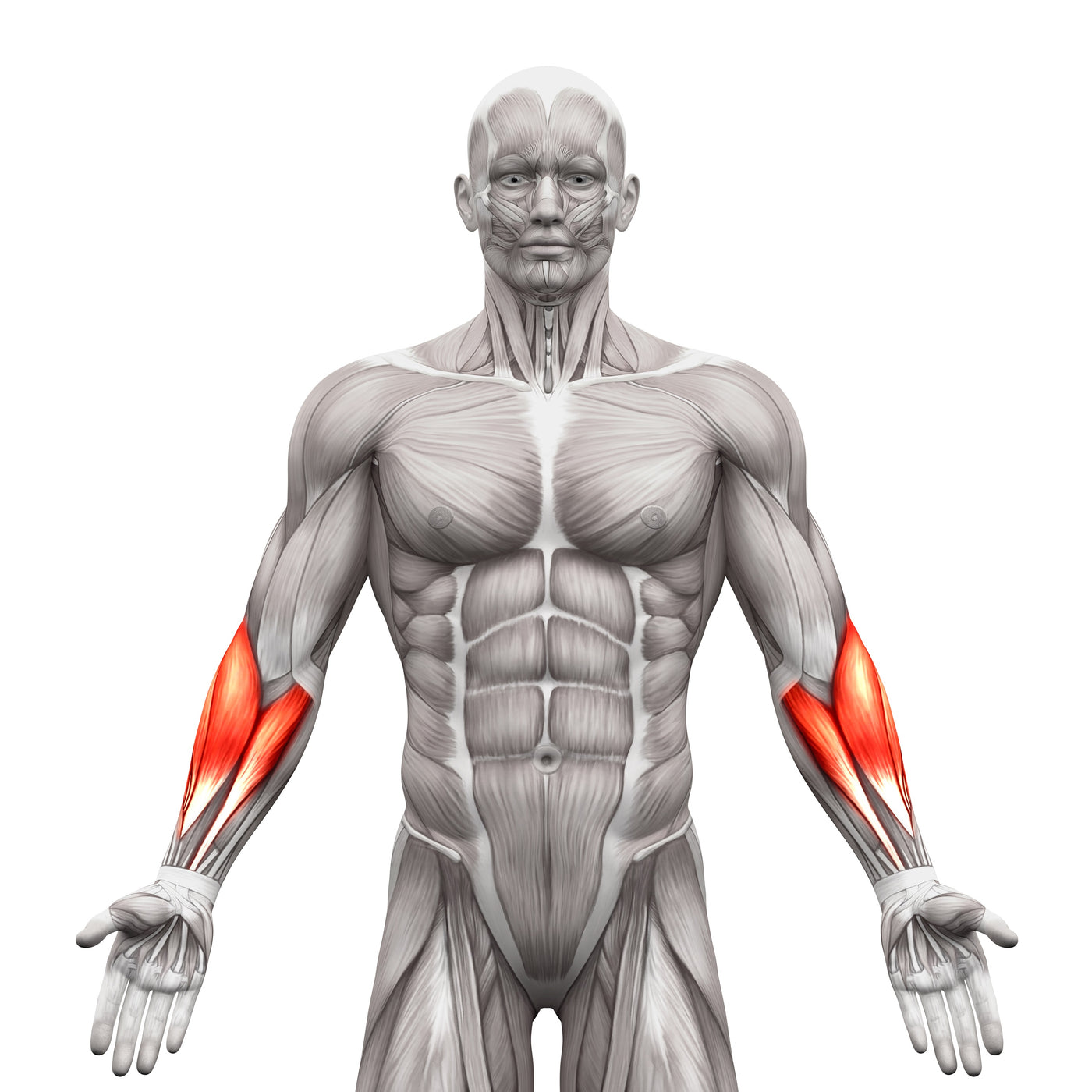
The Wrist Curl (Wrist Flexion) is an isolation forearm exercise designed to strengthen the muscles responsible for bending the wrist, particularly the forearm flexors. Performed by curling the hand upward while the forearms are supported, the movement helps improve grip strength, wrist control, and forearm endurance. Proper execution emphasizes controlled wrist movement and stable forearm positioning.
Joint Action and Muscles Involved
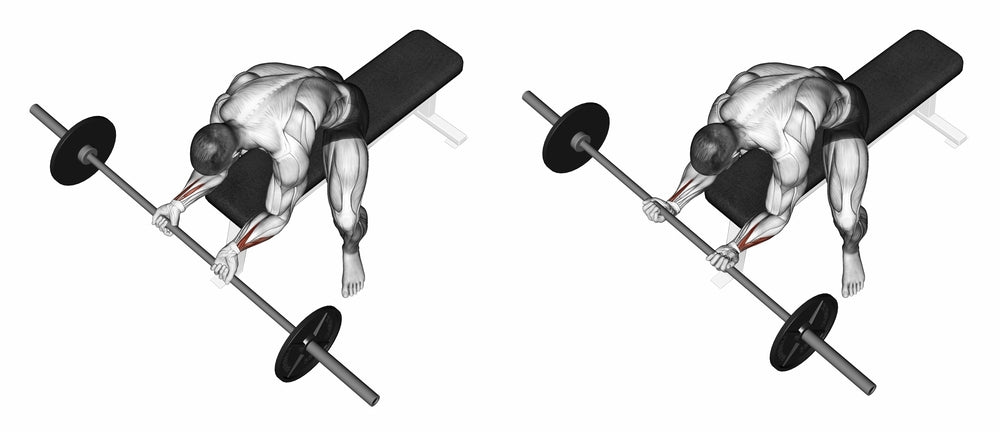
During the Wrist Curl, the primary joint action is wrist flexion, where the palm moves towards the anterior aspect of the forearm. This movement primarily targets the wrist flexor muscles, including the flexor carpi radialis, flexor carpi ulnaris, and palmaris longus. Additionally, the finger flexors and other forearm muscles contribute to the overall stability and control during the exercise.
Exercise Tips
Technique: Sit or stand with a neutral spine, holding a dumbbell or barbell with an underhand grip. Rest your forearms on a bench or your thighs, allowing your wrists to extend beyond the support.
Range of Motion: Perform a controlled wrist flexion, lifting the weight by moving your palm towards the anterior part of your forearm. Ensure a full range of motion to engage the wrist flexors effectively.
Amount of Weight Used: Begin with a light weight to master the form. Gradually increase resistance as your wrist strength improves, maintaining control throughout the movement.
Grip: Adopt an underhand grip, keeping your wrists in a neutral position. Ensure a secure grip on the weight throughout the exercise to prevent slippage.
Variations: Explore variations by using different equipment, such as dumbbells, barbells, or wrist curl machines. Each variation provides a slightly different stimulus to the wrist flexors.
Unique Muscle Involvement: This exercise predominantly targets the wrist flexors, including the flexor carpi radialis, flexor carpi ulnaris, and palmaris longus. Emphasize the contraction in these muscles for optimal benefits.
Breathing: Inhale as you lower the weight and exhale during the upward phase. Maintain a consistent breathing rhythm to enhance stability and focus during the exercise.
Forearm Position: Keep your forearms stationary on a bench or thighs to isolate the wrist flexors. Avoid excessive movement in the upper arms to maximize the effectiveness of the exercise.
Controlled Eccentric Phase: Pay attention to the lowering (eccentric) phase of the movement. Resist the urge to let the weight drop quickly, emphasizing control for optimal muscle engagement and joint health.
Progression: Track your progress and gradually increase the resistance. Strive for incremental improvements in strength and endurance over time to continually challenge your wrist flexors.

Continue Your Exercise Education
Mastering exercise technique requires a deeper understanding of biomechanics, injury prevention, and precise movement cues.
The KinX Learning Ultimate Guide series provides structured analysis of 75 popular weight training exercises, helping you train with greater confidence, efficiency, and safety.
Explore the complete system:
Exercise Anatomy and Biomechanics: Ultimate Guide
Exercise Safety and Injury Prevention: Ultimate Guide
Exercise Cues: Precision Coaching for 75 Essential Exercises
Or get all three guides together with the Ultimate Guides Bundle.
Safety Considerations
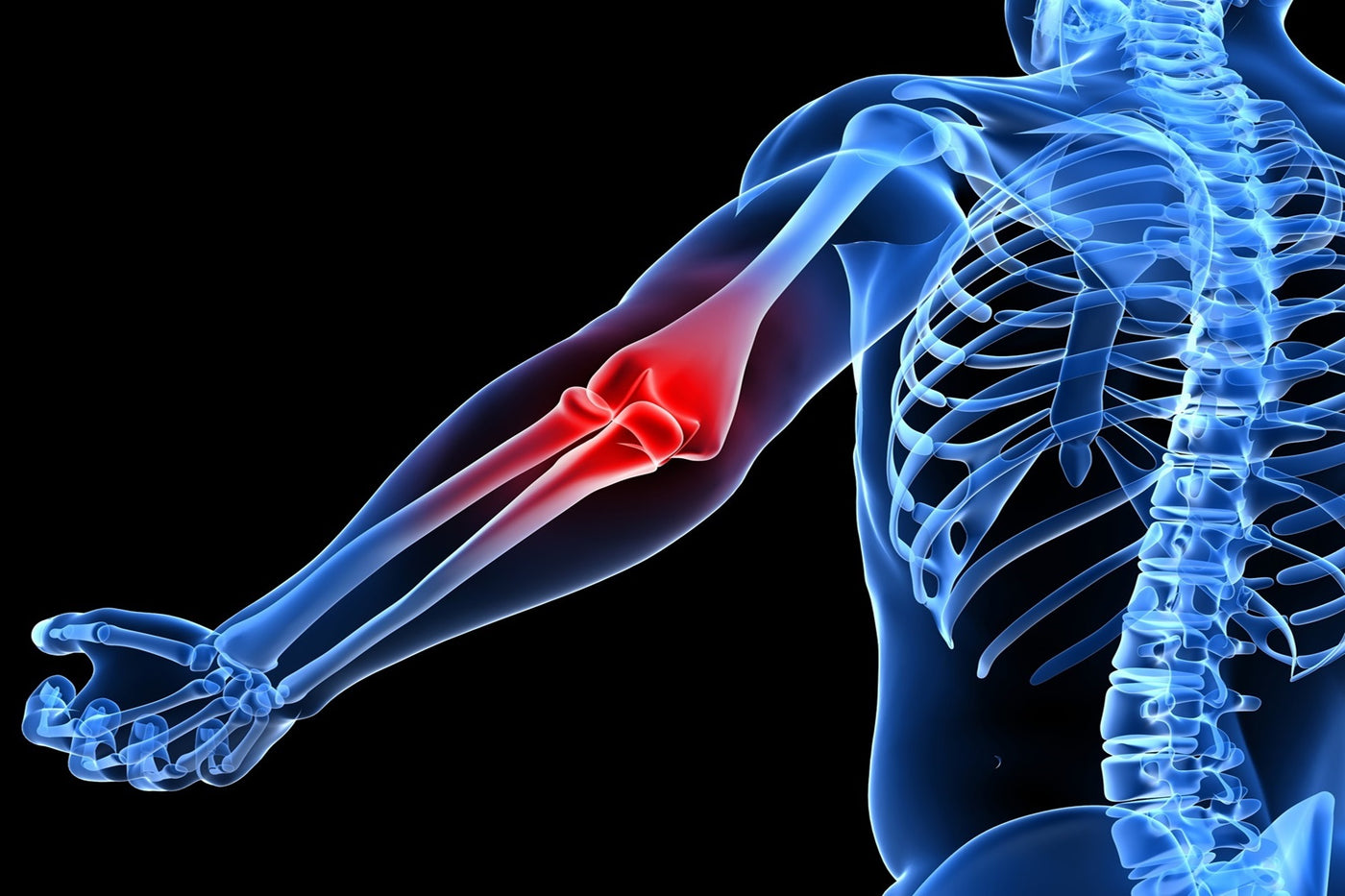
Keep the forearms supported to reduce unnecessary strain on the elbows and shoulders. Use light to moderate resistance and avoid excessive weight that can overload the wrist joint. Perform the movement through a comfortable range and avoid bouncing at the bottom. Stop if discomfort occurs in the wrist or forearm.