
Exercise Reference
Triceps Pushdown
The Triceps Pushdown is an isolation exercise designed to strengthen the muscles responsible for elbow extension, particularly the triceps brachii. Performed using a cable machine, the movement allows controlled resistance throughout the range of motion while keeping the upper arms stable. Proper execution emphasizes controlled elbow extension, stable upper-arm positioning, and consistent tension on the triceps muscles throughout the exercise.
Below is a quick reference overview of the major muscles and joint actions involved in the Triceps Pushdown, followed by practical guidance for performing the exercise safely and effectively.
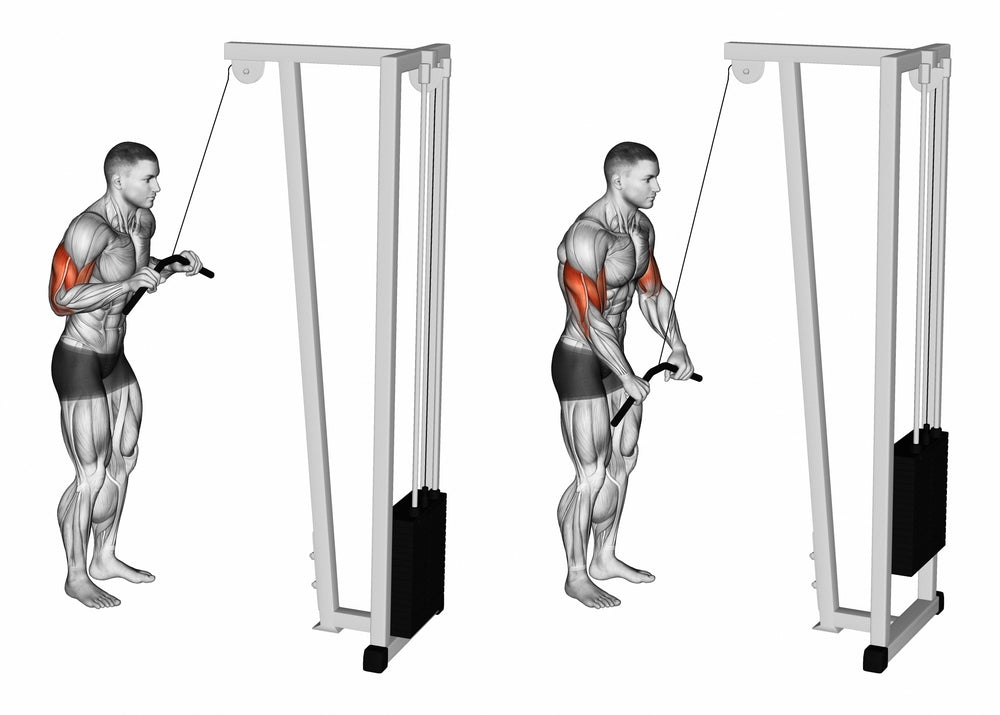
Major Muscles and Actions Involved
The Triceps Push-Down is a dynamic exercise that primarily involves the joint action of elbow extension. As you perform this movement, the elbow joint extends, emphasizing the activation of the triceps brachii muscles.
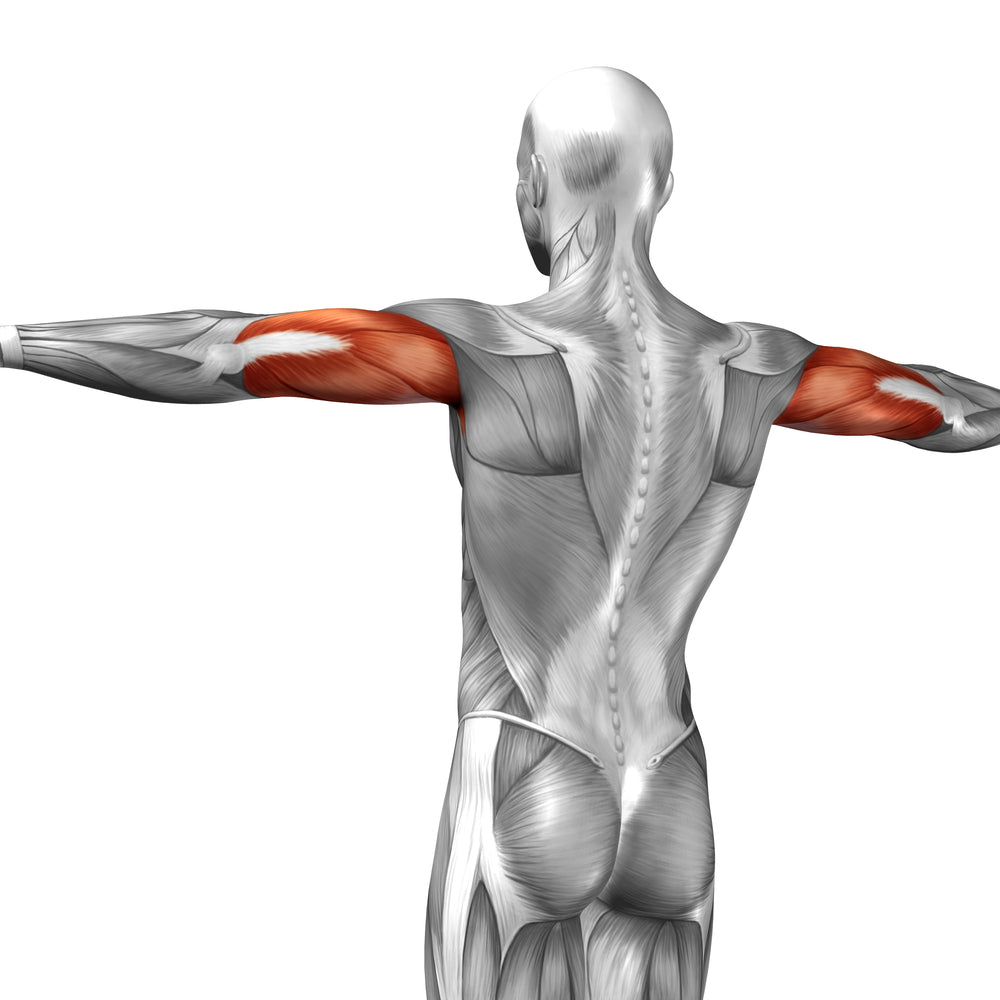
Engaging in Triceps Push-Downs targets the triceps brachii, the three-headed muscle located at the back of the upper arm. This exercise isolates the triceps, focusing on their role in extending the forearm. Additionally, the anconeus, a smaller muscle adjacent to the triceps, is involved in supporting the movement during the Triceps Push-Down.
The simplicity and targeted nature of this exercise make it an efficient choice for isolating and strengthening the triceps muscles. The Triceps Push-Down is a staple in arm workouts, contributing to the development of strong and well-defined triceps.
Exercise Execution
Starting Position
Stand upright facing a cable machine and grasp the handle or bar attachment with both hands using an overhand grip. Position the elbows close to the sides of the torso with the forearms bent and the chest lifted.
Movement
Push the handle downward by extending the elbows while keeping the upper arms relatively stationary. Continue the movement until the arms are fully extended and the triceps muscles are fully contracted.
Ending Position
Pause briefly at the bottom, then allow the handle to return under control until the forearms return to the starting position. Maintain stable posture and avoid swinging before beginning the next repetition.
Video Demonstration
This video demonstrates the proper execution of the triceps pushdown, showing controlled elbow extension, stable upper-arm positioning, and smooth movement throughout the exercise.
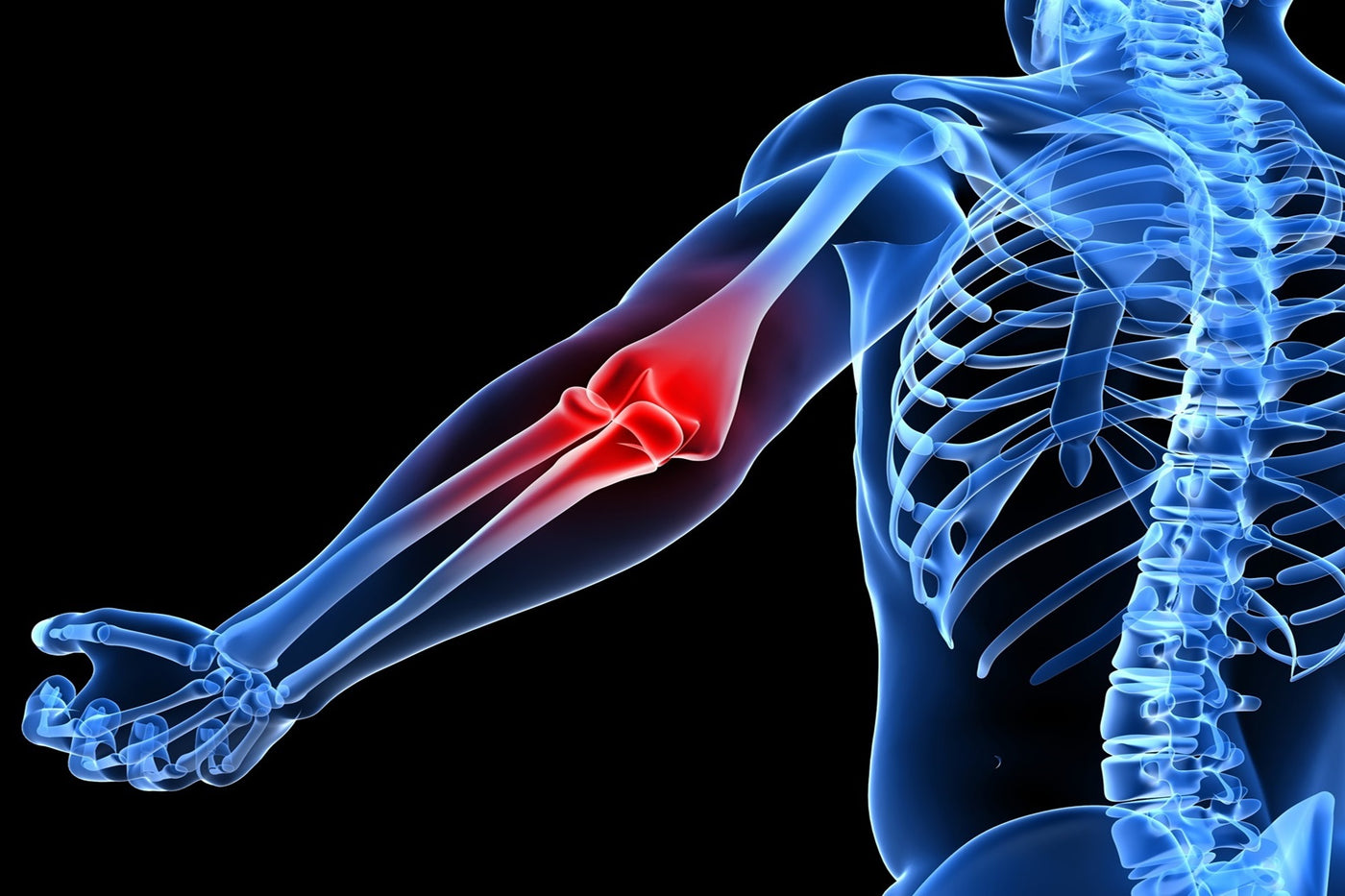
Safety Considerations
Keep the torso upright and avoid leaning excessively over the cable machine, as this can reduce control and place unnecessary stress on the shoulders and lower back. Maintain the elbows close to the sides and avoid allowing them to drift forward during the movement. Use a resistance level that allows full control of the exercise, and stop if discomfort occurs in the elbows, wrists, or shoulders.
Exercise Tips
Keep the Elbows Stable
Maintain the elbows close to the sides of the torso to keep the movement focused on elbow extension.
Control the Cable
Push down and allow the handle to return under control to maintain tension on the triceps muscles.
Avoid Using Momentum
Keep the torso steady so the triceps muscles perform the work throughout the exercise.
Use a Full Range of Motion
Allow the elbows to bend fully at the top and extend fully at the bottom to maximize muscle engagement.
Triceps Pushdown vs Overhead Triceps Press
The Triceps Pushdown and Overhead Triceps Press both strengthen the triceps muscles, but they differ in arm position and muscle emphasis.
The Triceps Pushdown is performed with the arms positioned close to the torso, emphasizing controlled elbow extension against cable resistance.
In contrast, the Overhead Triceps Press places the arms overhead, which can place greater emphasis on the long head of the triceps.
Both exercises are effective for developing arm strength. The pushdown emphasizes controlled cable resistance, while the overhead press emphasizes triceps work from a stretched position.
Anatomical, Biomechanical and Practical Exercise Education
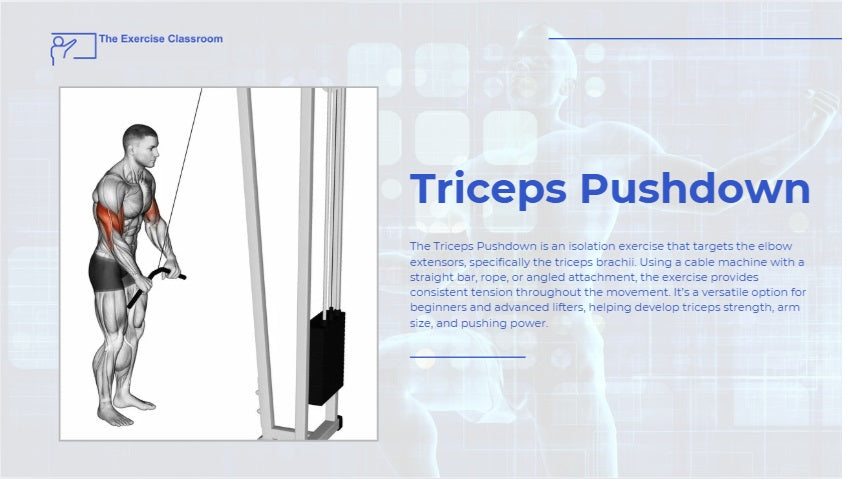
The Exercise Classroom
Watch this exercise on the Exercise Classroom YouTube channel.

Continue Your Exercise Education
Mastering exercise technique requires a deeper understanding of biomechanics, injury prevention, and precise movement cues.
The KinX Learning Ultimate Guide series provides structured analysis of 75 popular weight training exercises, helping you train with greater confidence, efficiency, and safety.
Explore the complete system:
Exercise Anatomy and Biomechanics: Ultimate Guide
Exercise Safety and Injury Prevention: Ultimate Guide
Exercise Cues: Precision Coaching for 75 Essential Exercises
Or get all three guides together with the Ultimate Guides Bundle.