
Exercise Reference
Machine Bench Press
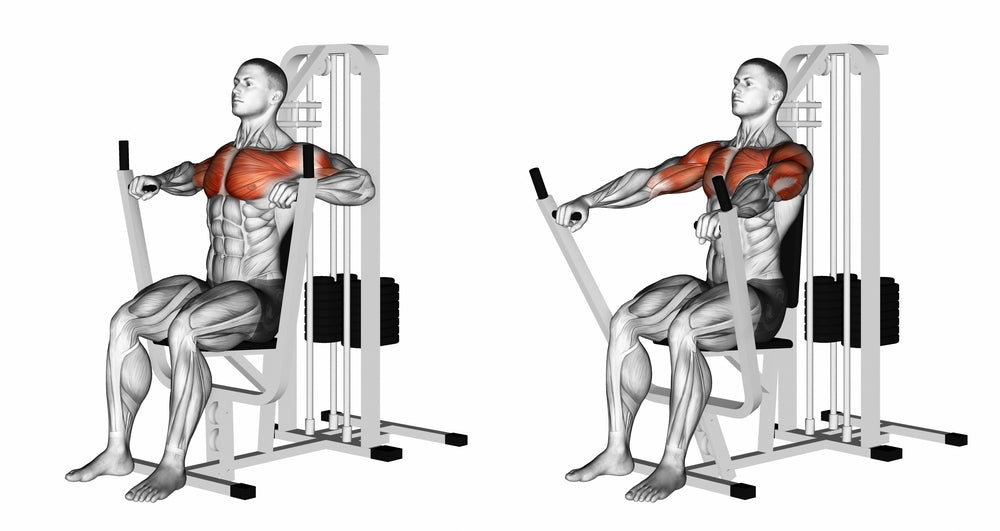
The Machine Bench Press is a compound upper-body exercise designed to strengthen the muscles of the chest, shoulders, and arms, particularly the pectoral muscles, anterior deltoids, and triceps brachii. Performed on a guided machine, the movement allows controlled horizontal pressing with reduced stabilization demands compared with free-weight pressing exercises. Proper execution emphasizes controlled pressing mechanics, stable torso positioning, and coordinated elbow extension throughout the movement.
Below is a quick reference overview of the major muscles and joint actions involved in the Machine Bench Press, followed by practical guidance for performing the exercise safely and effectively.
Joint Actions and Muscles Involved
During the Machine Bench Press, the primary joint action is elbow extension, where the forearm moves away from the upper arm. This movement engages the triceps brachii muscles. Additionally, the chest muscles, specifically the pectoralis major, and the anterior deltoids of the shoulders play a significant role in the exercise, contributing to the pushing motion.
Exercise Execution
Starting Position
Sit or lie on the machine bench, depending on the equipment design, with the back fully supported. Position the hands on the machine handles at approximately chest level and keep the feet firmly placed on the floor. Begin with the elbows bent and the handles close to the chest.
Movement
Press the handles forward by extending the elbows while maintaining stable shoulder and torso positioning. Continue pressing until the arms are nearly fully extended without locking the elbows.
Ending Position
Pause briefly at the end of the press, then allow the handles to return under control until the elbows are bent and the handles return to the starting position.
Video Demonstration
This video demonstrates the proper execution of the machine bench press, showing controlled pressing mechanics, coordinated elbow movement, and stable torso positioning throughout the exercise.
Exercise Tips
Keep the Back Supported
Maintain full contact of the back and shoulders against the pad throughout the exercise.
Control the Handles
Press and return the handles smoothly to maintain tension on the chest muscles.
Avoid Elbow Lockout
Keep a slight bend in the elbows at the end of the press.
Maintain Stable Shoulders
Keep the shoulders down and stable during the movement.
Safety Considerations
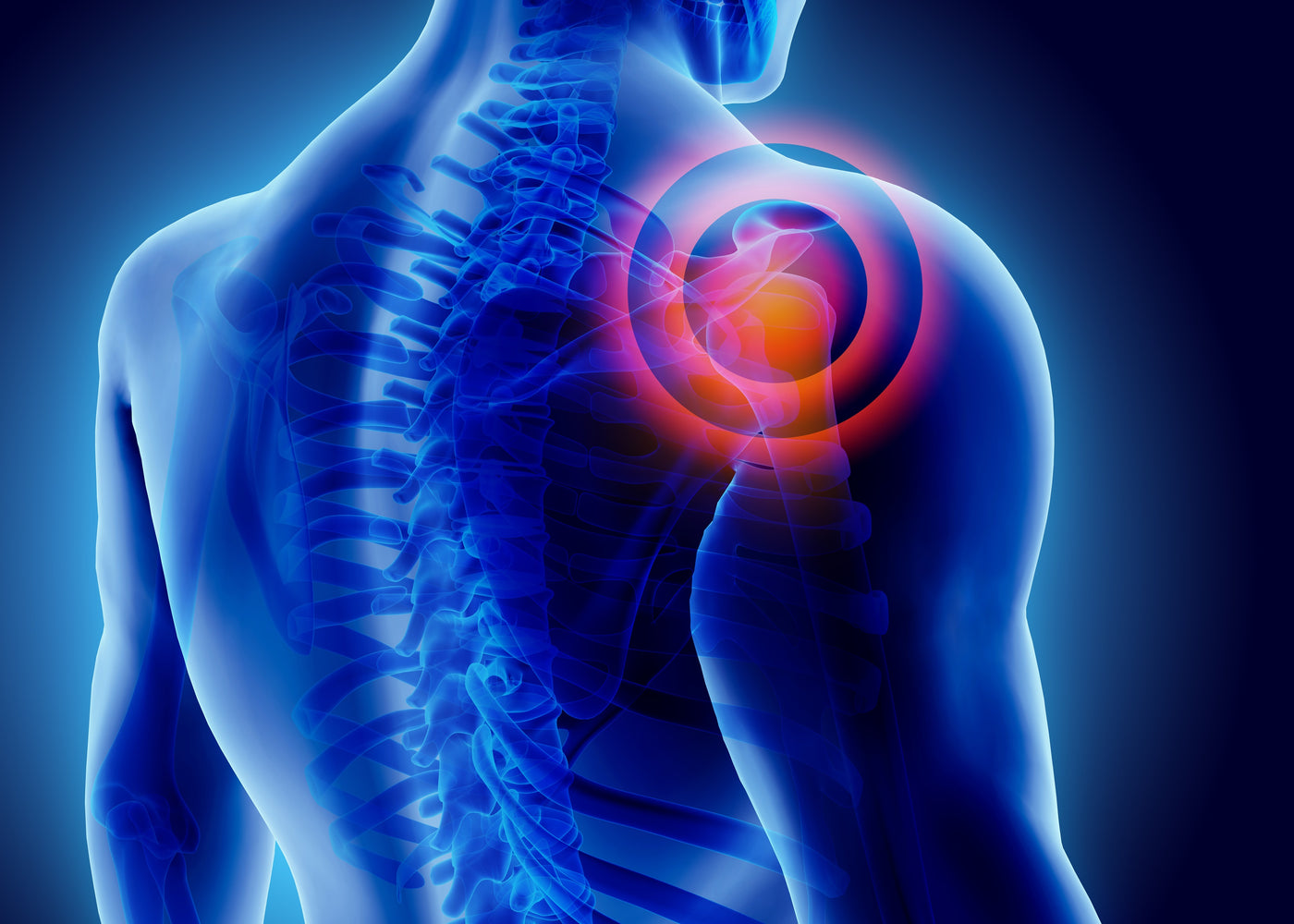
Keep the back and shoulders fully supported against the pad throughout the movement and avoid lifting the torso away from the machine. Do not lock the elbows at the end of the press, as this can place unnecessary stress on the joints. Use a resistance level that allows smooth, controlled movement and stop if discomfort occurs in the shoulders, elbows, or wrists.
Machine Bench Press vs Bench Press
The Machine Bench Press and Bench Press both strengthen the chest, shoulders, and triceps, but they differ in stabilization demands and movement control. The Machine Bench Press uses a guided path that reduces stabilization requirements and allows focused pressing mechanics. In contrast, the Bench Press is a free-weight movement that requires greater control of the bar path and additional stabilizer muscle involvement. Both exercises are effective for upper-body strength development. The machine press provides controlled resistance, while the bench press emphasizes free-weight coordination and pressing strength.

Related Exercises

Continue Your Exercise Education
Mastering exercise technique requires a deeper understanding of biomechanics, injury prevention, and precise movement cues.
The KinX Learning Ultimate Guide series provides structured analysis of 75 popular weight training exercises, helping you train with greater confidence, efficiency, and safety.
Explore the complete system:
Exercise Anatomy and Biomechanics: Ultimate Guide
Exercise Safety and Injury Prevention: Ultimate Guide
Exercise Cues: Precision Coaching for 75 Essential Exercises
Or get all three guides together with the Ultimate Guides Bundle.