
Exercise Reference
Leg Press
The Leg Press is a compound lower-body exercise designed to strengthen the muscles responsible for hip and knee extension, particularly the quadriceps, gluteal muscles, and hamstrings. Performed on a machine that supports the torso and back, the movement allows the lower-body muscles to work through a controlled range of motion with reduced stabilization demands. Proper execution emphasizes stable foot positioning, controlled movement of the platform, and coordinated hip and knee extension throughout the exercise.
Below is a quick reference overview of the major muscles and joint actions involved in the Leg Press, followed by practical guidance for performing the exercise safely and effectively.
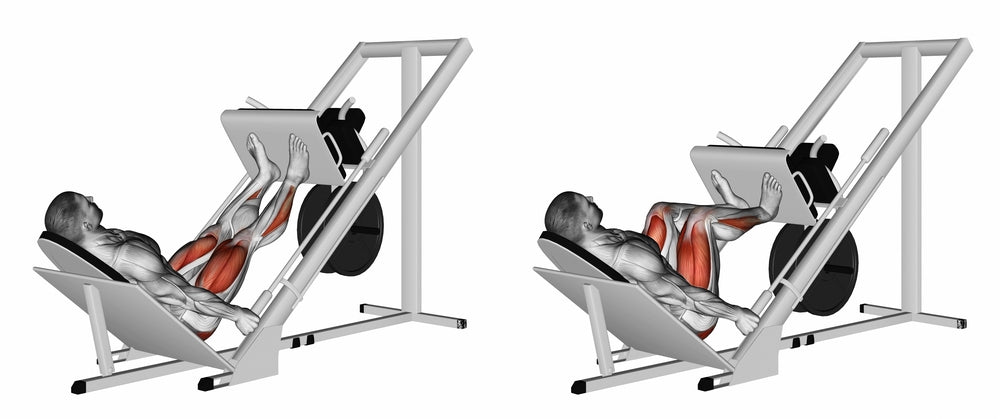
Joint Action and Muscles Involved
The Leg Press, a staple in lower body strength training, revolves around the joint action of knee extension and hip flexion. As you push the platform away from your body, the knee joint extends, straightening the legs. Simultaneously, the hip joint flexes, moving the thighs towards the torso.
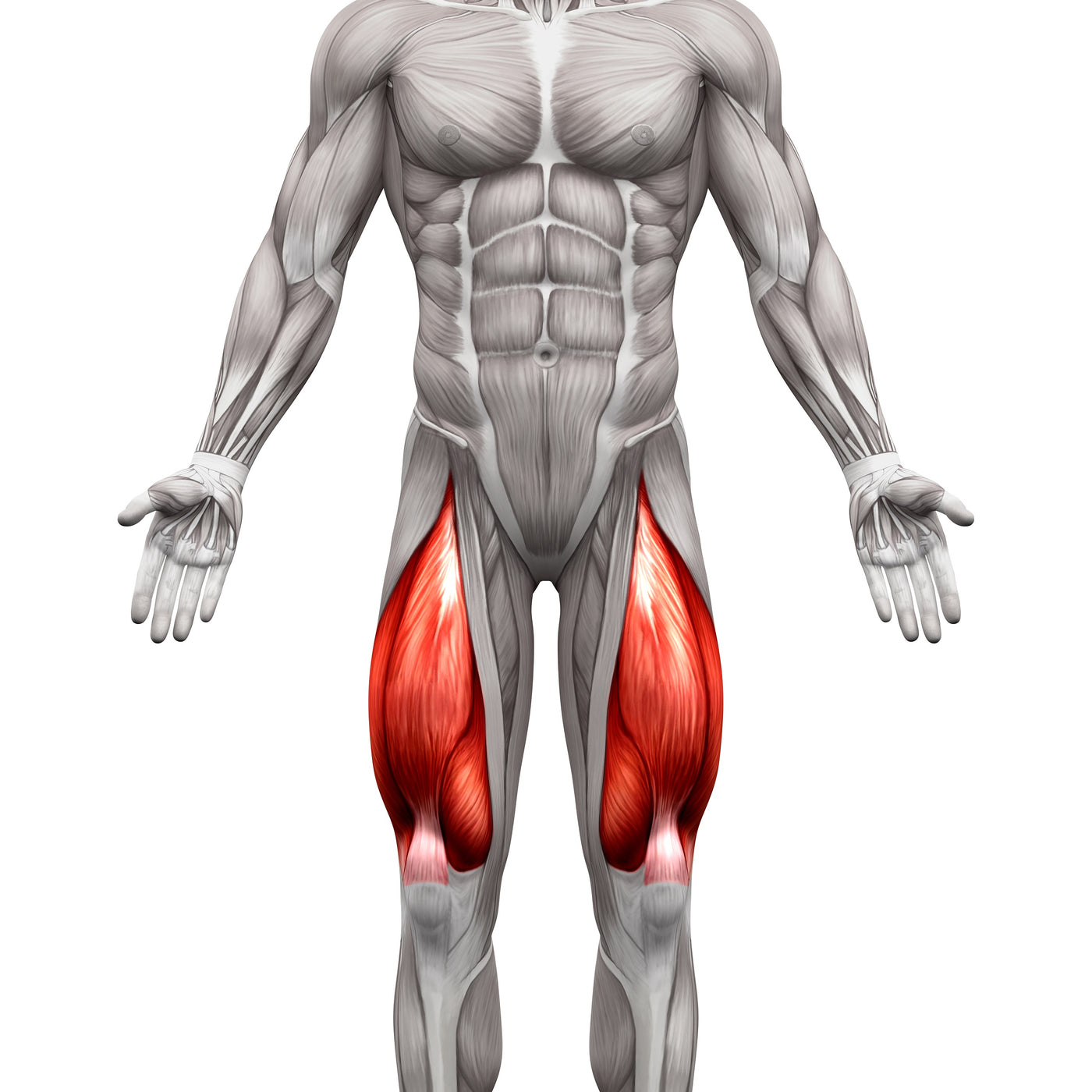
Engaging in the Leg Press activates the major muscles of the lower body, primarily targeting the quadriceps, hamstrings, and glutes. The quadriceps, situated at the front of the thigh, contract to extend the knee, while the hamstrings, located at the back of the thigh, contribute to stabilizing the movement. The glutes, acting on the hip joint, provide additional power during the press.
Additionally, the calf muscles, including the gastrocnemius and soleus, play a supportive role in stabilizing the ankle joint throughout the exercise. The Leg Press, with its comprehensive engagement of these major muscle groups, offers an effective and controlled means of developing lower body strength and muscle mass.
Exercise Execution
Starting Position
Sit on the leg press machine with the back fully supported against the pad. Position the feet approximately shoulder-width apart on the platform with the toes slightly turned outward. Begin with the knees bent and the platform close enough to allow a comfortable starting range.
Movement
Press the platform away by extending the knees and hips while keeping the feet flat against the platform. Continue pressing until the legs are nearly fully extended without locking the knees.
Ending Position
Pause briefly at the top, then lower the platform under control by bending the knees and hips until returning to the starting position.
Video Demonstration
This video demonstrates the proper execution of the leg press, showing controlled lower-body movement, stable foot positioning, and coordinated hip and knee mechanics throughout the exercise.
Exercise Tips
Keep the Feet Stable
Maintain full foot contact with the platform to support balanced force transfer.
Control the Platform
Press and lower the platform smoothly to maintain tension on the lower-body muscles.
Avoid Knee Lockout
Keep a slight bend in the knees at the top to reduce joint stress.
Keep the Back Supported
Maintain full contact of the lower back and torso against the pad throughout the movement.
Safety Considerations
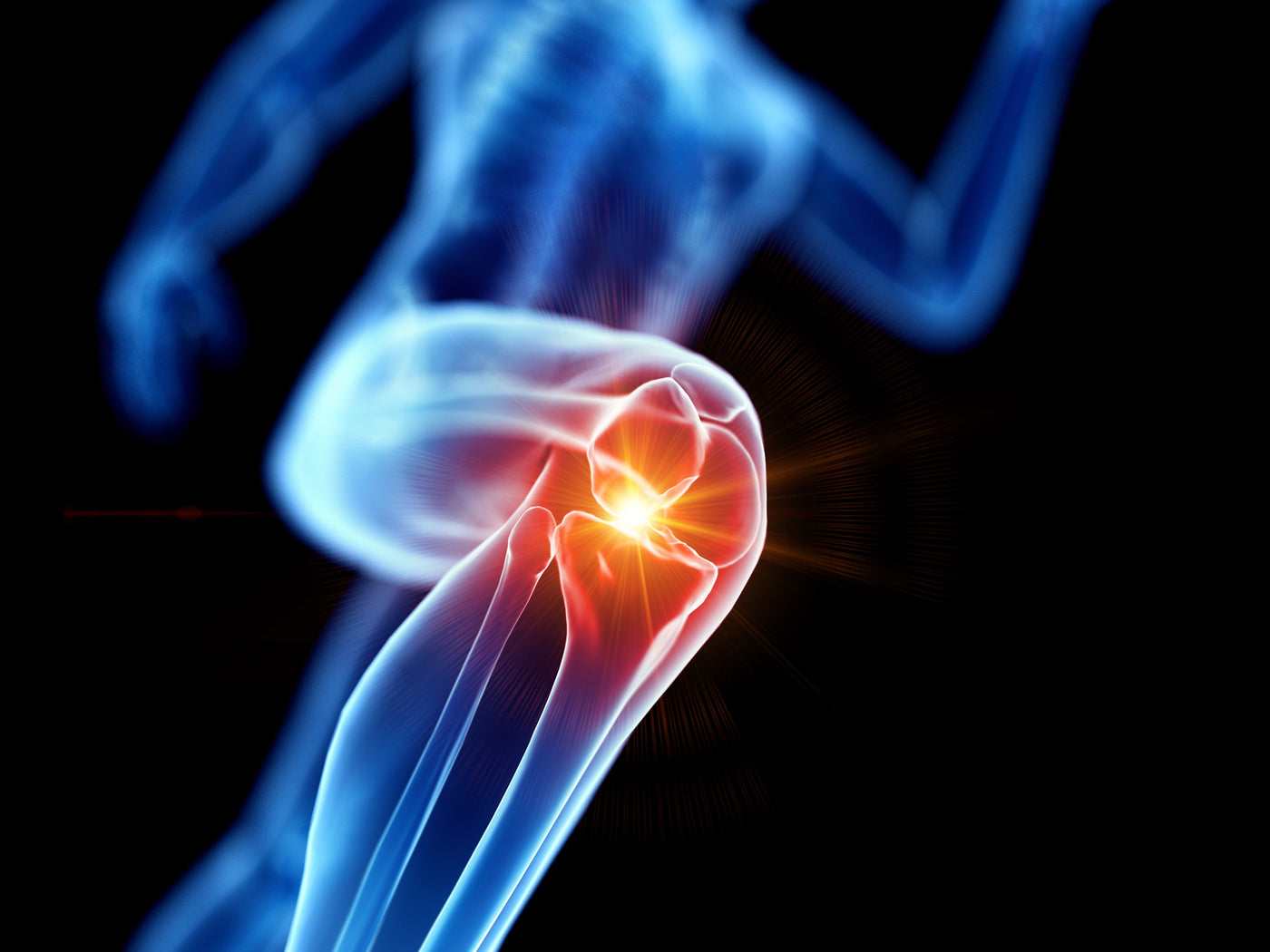
Maintain full foot contact with the platform throughout the movement and avoid allowing the knees to collapse inward. Do not lock the knees at the top of the movement, as this can place unnecessary stress on the joints. Lower the platform only as far as can be maintained with proper lower-back contact against the pad. If discomfort occurs in the knees, hips, or lower back, stop the exercise and reassess technique before continuing.
Leg Press vs Squat
The Leg Press and Squat both strengthen the lower body, but they differ in how the body is stabilized and how force is transferred through the movement. The Leg Press is performed on a machine that supports the torso and back, allowing the lower-body muscles to work with reduced stabilization demands. In contrast, the Squat is a free-weight movement that requires coordinated stabilization of the torso, hips, and lower limbs. Both exercises are effective for developing lower-body strength. The leg press allows controlled machine loading, while the squat emphasizes total-body coordination and functional movement mechanics.
RElated Exercises

Continue Your Exercise Education
Mastering exercise technique requires a deeper understanding of biomechanics, injury prevention, and precise movement cues.
The KinX Learning Ultimate Guide series provides structured analysis of 75 popular weight training exercises, helping you train with greater confidence, efficiency, and safety.
Explore the complete system:
Exercise Anatomy and Biomechanics: Ultimate Guide
Exercise Safety and Injury Prevention: Ultimate Guide
Exercise Cues: Precision Coaching for 75 Essential Exercises
Or get all three guides together with the Ultimate Guides Bundle.