
Exercise Reference
Front Arm Raise
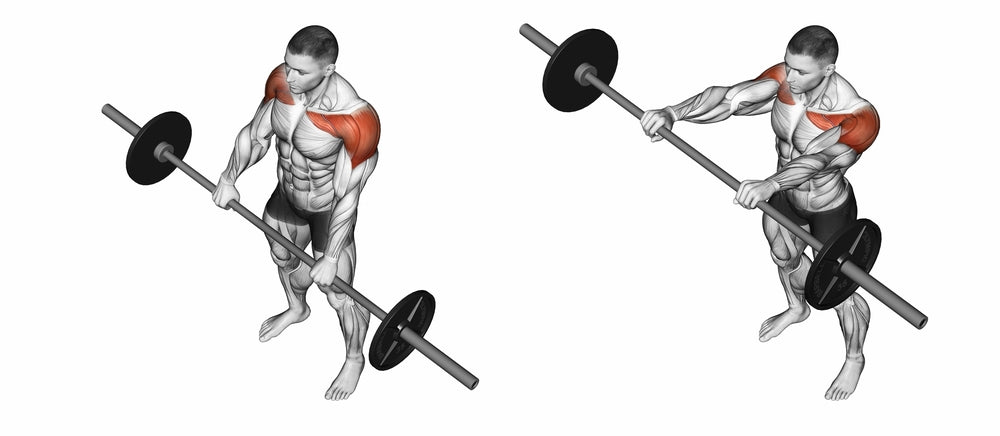
The Front Arm Raise is an isolation upper-body exercise designed to strengthen the muscles responsible for shoulder flexion, particularly the anterior deltoid. Performed by raising the arm or arms forward in front of the body while maintaining stable torso positioning, the movement helps improve shoulder strength, control, and upper-body coordination. Proper execution emphasizes controlled shoulder movement and smooth lifting and lowering throughout the exercise.
Joint Action and Muscles Involved
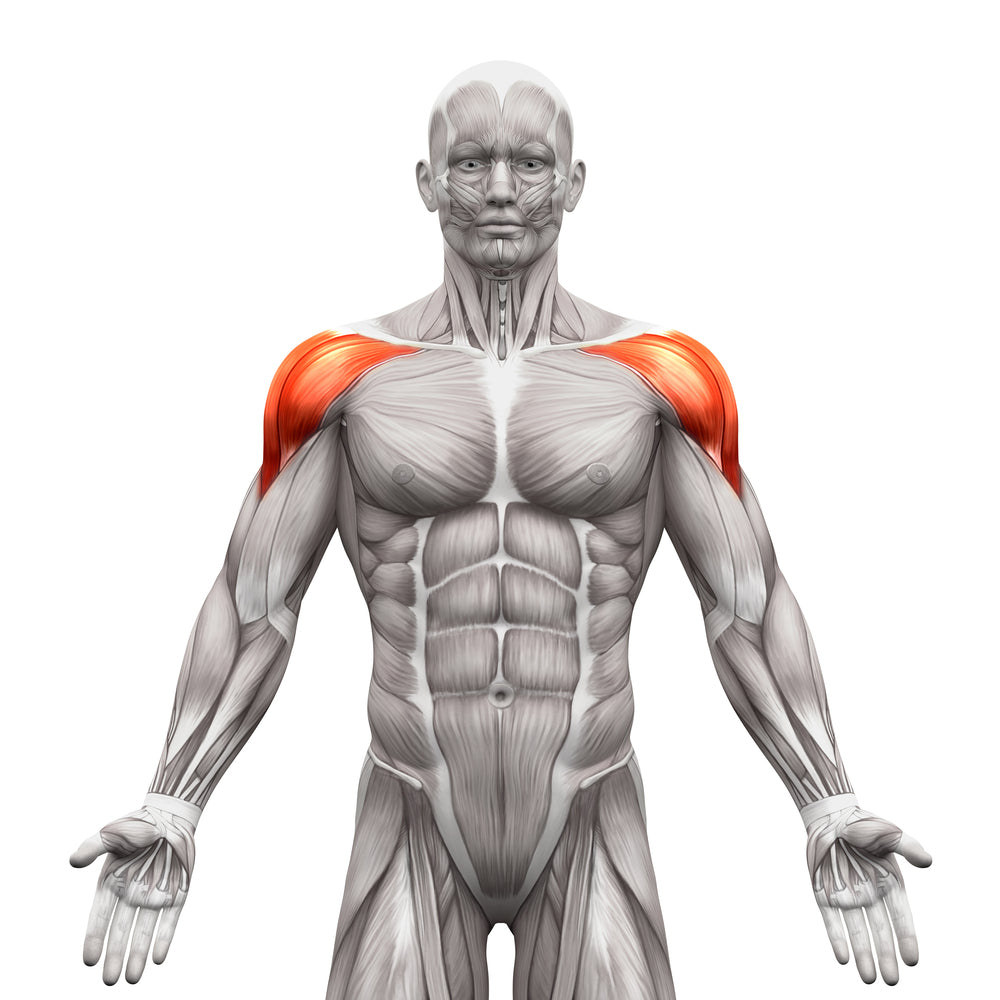
The Front Arm Raise primarily involves shoulder flexion, where the arms move forward and upward. This movement predominantly targets the anterior deltoids, the front portion of the shoulder muscles. Additionally, the exercise engages the serratus anterior, a muscle that aids in the stabilization of the shoulder blades during the lifting motion.
Video Demonstration
This video demonstrates the proper execution of the front arm raise, showing controlled shoulder flexion, stable torso positioning, and smooth lifting and lowering throughout the exercise.
Exercise Tips
Technique: Maintain a slight bend in your elbows throughout the movement to avoid unnecessary stress on the joints. Lift your arms forward in a controlled manner, keeping your core engaged to stabilize your torso.
Range of Motion: Focus on a full range of motion by lifting your arms until they are parallel to the ground. Avoid overextending or locking your elbows at the top of the movement to ensure continuous tension on the shoulder muscles.
Amount of Weight Used: Start with a light to moderate weight, as the emphasis should be on proper form and controlled movements. Gradually increase the weight as you become more comfortable with the exercise to challenge your shoulder muscles.
Grip: Hold dumbbells with a neutral grip (palms facing your body) to engage the anterior deltoids effectively. Ensure a firm but not overly tight grip on the dumbbells throughout the exercise.
Variations: Experiment with different variations such as alternating arm raises or performing the exercise on an incline bench. These variations can target the muscles from slightly different angles, promoting overall shoulder development.
Unique Muscle Involvement: The Front Arm Raise primarily targets the anterior deltoids but also engages the upper trapezius and serratus anterior. Focus on contracting the front part of your shoulders to maximize muscle activation.
Breathing: Inhale as you lower the weights back down and exhale as you lift them. Maintain a steady and controlled breathing pattern to enhance oxygen flow and stability during the exercise.
Remember, consistency and proper form are key to reaping the benefits of Front Arm Raises while minimizing the risk of injury. Adjust the workout variables based on your fitness level and gradually progress to more challenging variations as your strength improves.

Safety Considerations
Maintain a controlled range of motion and avoid lifting the arms beyond a comfortable height if it causes shoulder discomfort. Keep the torso stable and avoid using momentum to raise the weights. Stop if discomfort occurs in the shoulders, neck, or lower back.

Continue Your Exercise Education
Mastering exercise technique requires a deeper understanding of biomechanics, injury prevention, and precise movement cues.
The KinX Learning Ultimate Guide series provides structured analysis of 75 popular weight training exercises, helping you train with greater confidence, efficiency, and safety.
Explore the complete system:
Exercise Anatomy and Biomechanics: Ultimate Guide
Exercise Safety and Injury Prevention: Ultimate Guide
Exercise Cues: Precision Coaching for 75 Essential Exercises
Or get all three guides together with the Ultimate Guides Bundle.