
Exercise Reference
DUMBBELL FLY (BUTTERFLY)
The Dumbbell Fly (Butterfly) is an isolation upper-body exercise designed to strengthen the muscles of the chest, particularly the pectoralis major, through controlled shoulder horizontal adduction. Performed by moving the arms through a wide arc while maintaining a slight bend in the elbows, the movement emphasizes chest muscle engagement with less triceps involvement than pressing exercises. Proper execution emphasizes controlled arm movement, stable shoulder positioning, and smooth motion throughout the exercise.
Below is a quick reference overview of the major muscles and joint actions involved in the Dumbbell Fly (Butterfly), followed by practical guidance for performing the exercise safely and effectively.
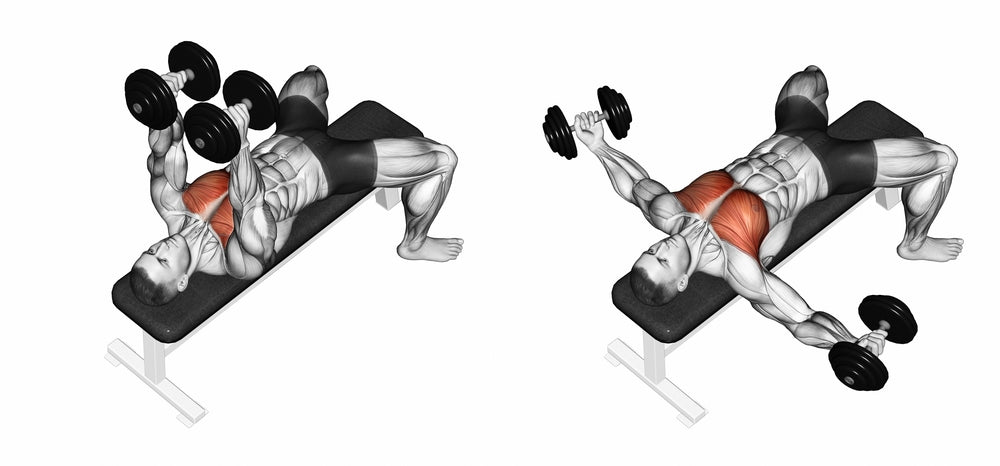
Joint Action and Muscles Involved
The Dumbbell Fly, commonly referred to as the Butterfly, primarily involves the joint action of shoulder horizontal adduction. This movement requires bringing the arms from an outward position to the center of the body. The exercise primarily targets the pectoralis major muscles, emphasizing the stretch and contraction of the chest. Additionally, the anterior deltoids and serratus anterior contribute to the dynamic movement, supporting stability during the exercise. The Dumbbell Fly is a key isolation exercise for building and defining the chest muscles.
Exercise Execution
Starting Position
Lie on a flat bench with a dumbbell in each hand. Extend the arms above the chest with the palms facing each other and maintain a slight bend in the elbows. Keep the feet firmly placed on the floor and the shoulders stable against the bench.
Movement
Lower the dumbbells outward and downward in a wide arc by moving at the shoulders while maintaining the slight bend in the elbows. Continue lowering until a comfortable chest stretch is reached.
Ending Position
Raise the dumbbells back upward in the same arc by bringing the arms together over the chest. Maintain controlled movement throughout and avoid allowing the weights to collide at the top.
Video Demonstration
This video demonstrates the proper execution of the dumbbell fly (butterfly), showing controlled chest fly mechanics, a slight bend in the elbows, and stable shoulder positioning throughout the exercise.
Exercise Tips
Maintain a Slight Elbow Bend
Keep the elbows slightly flexed throughout the movement to reduce joint stress.
Move in a Wide Arc
Focus on shoulder movement rather than elbow extension.
Control the Stretch
Lower only until a comfortable chest stretch is reached.
Bring the Arms Together Smoothly
Use controlled motion to maximize chest engagement.
Safety Considerations
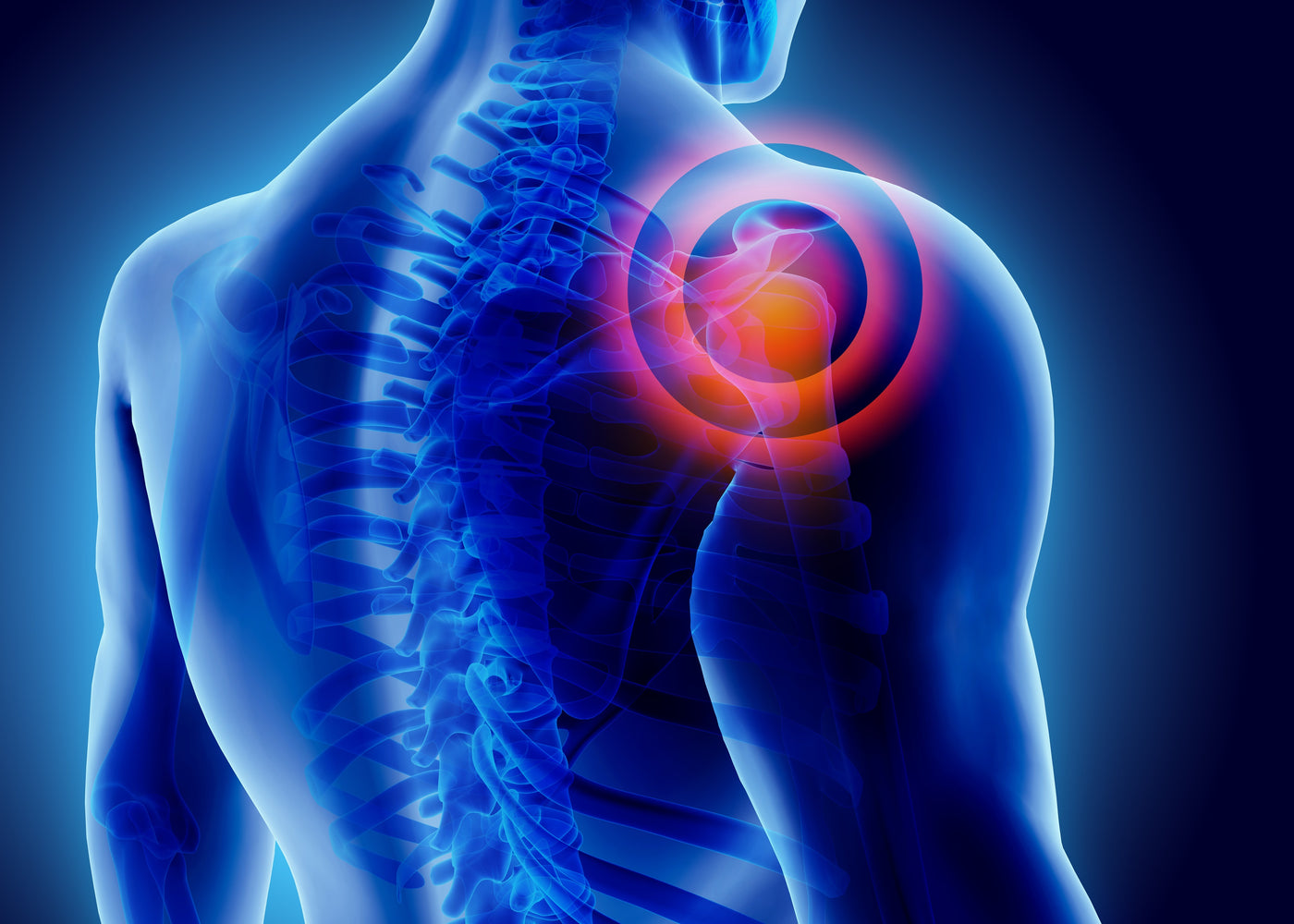
Maintain a slight bend in the elbows throughout the movement and avoid turning the exercise into a pressing motion. Use a controlled range of motion and avoid lowering the dumbbells beyond a comfortable stretch, as excessive range can place unnecessary stress on the shoulder joints. Keep the shoulders stable against the bench and stop if discomfort occurs in the shoulders or elbows.
Dumbbell Fly vs Bench Press
The Dumbbell Fly (Butterfly) and Bench Press both strengthen the chest muscles, but they differ in movement mechanics and muscle emphasis. The Dumbbell Fly is an isolation movement that emphasizes shoulder horizontal adduction and chest muscle stretch. In contrast, the Bench Press is a compound pressing movement that involves the chest, shoulders, and triceps. Both exercises are effective for upper-body development. The fly emphasizes chest isolation, while the bench press emphasizes overall pressing strength.

Related Exercises

Continue Your Exercise Education
Mastering exercise technique requires a deeper understanding of biomechanics, injury prevention, and precise movement cues.
The KinX Learning Ultimate Guide series provides structured analysis of 75 popular weight training exercises, helping you train with greater confidence, efficiency, and safety.
Explore the complete system:
Exercise Anatomy and Biomechanics: Ultimate Guide
Exercise Safety and Injury Prevention: Ultimate Guide
Exercise Cues: Precision Coaching for 75 Essential Exercises
Or get all three guides together with the Ultimate Guides Bundle.